Vintage menswear
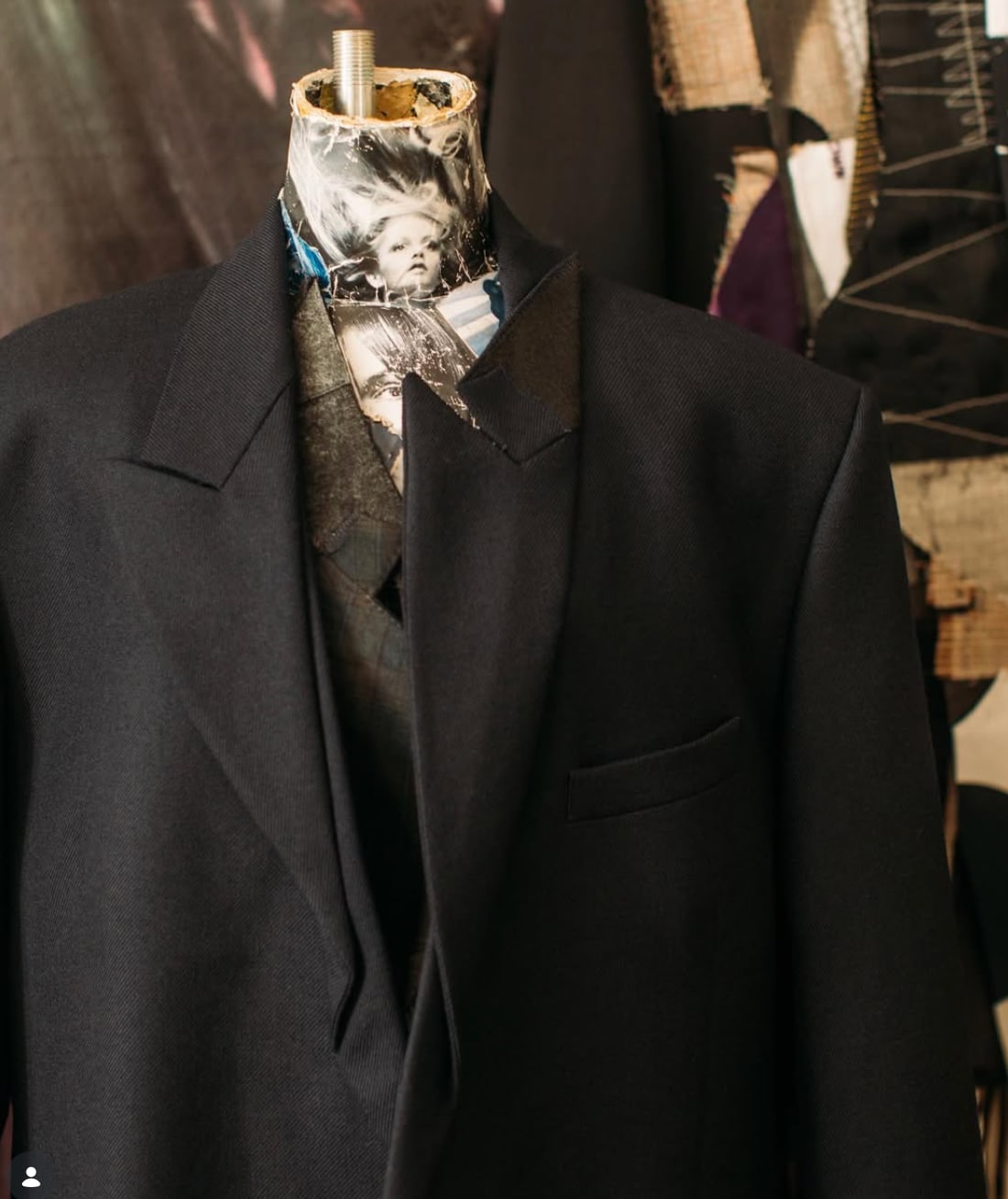
Tailored menswear came with an established structure: lapels, collars, pockets, linings and carefully constructed shoulders. Reconstruction meant working within — or against — decisions that had already been made.
One Corner Off
Make it look finished, then disturb it.
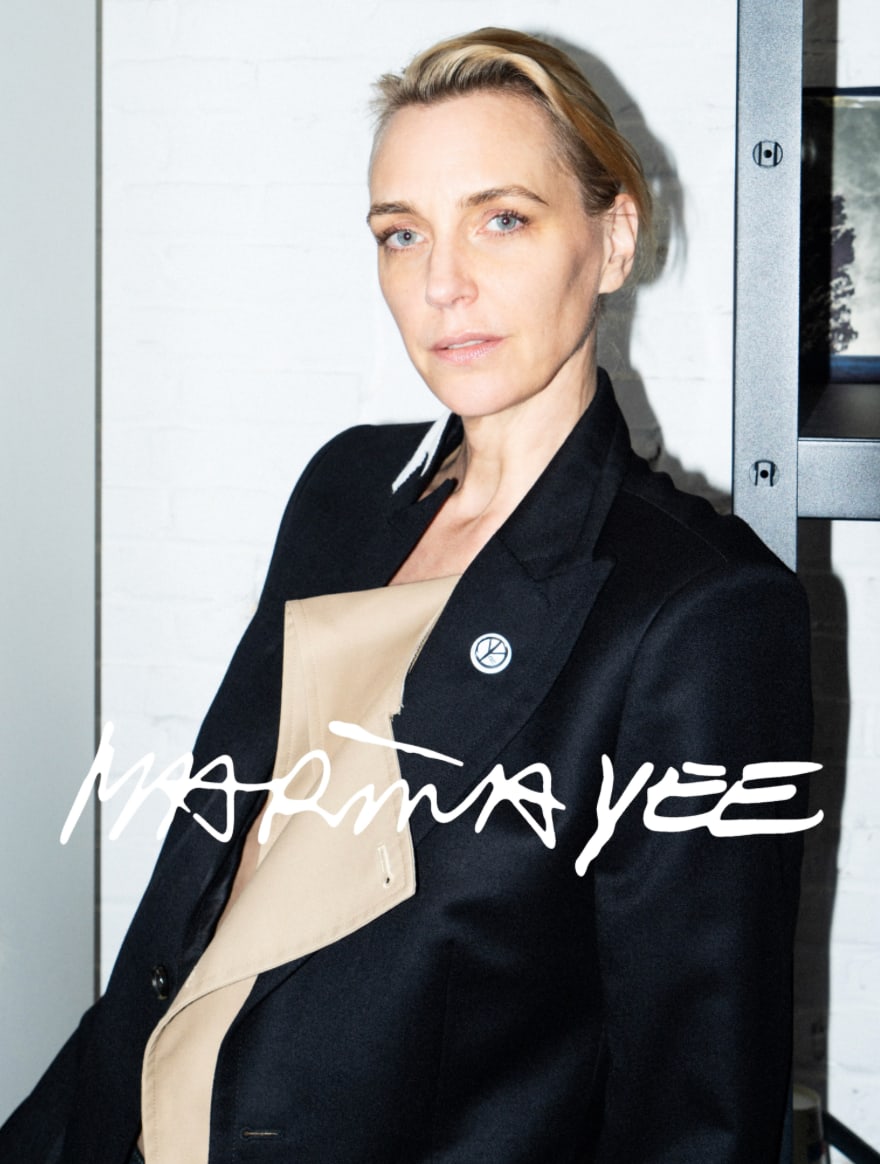
Marina Yee’s place within the Antwerp Six is usually the first fact attached to her name. It is important history, but it does not explain the way she approached design.
Move away from the spotlight, and her practice becomes easier to see.
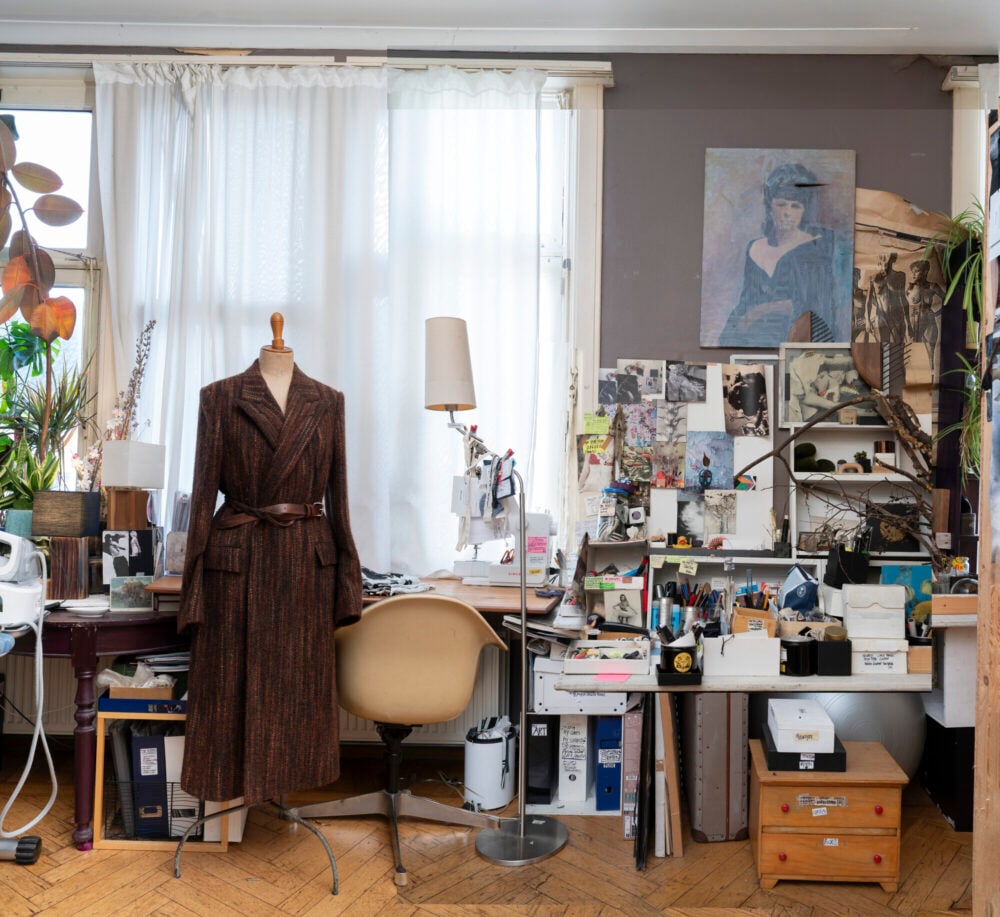
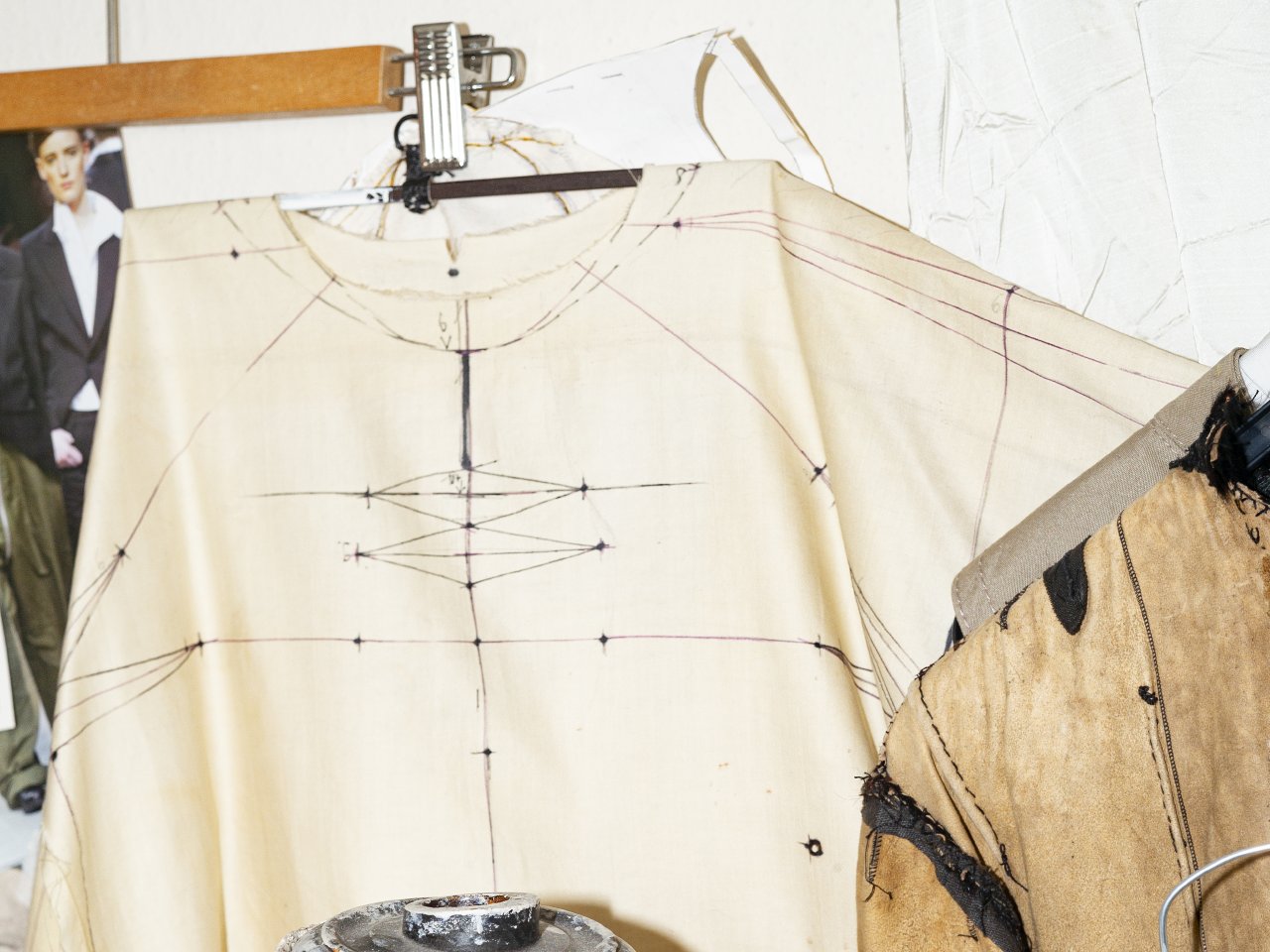
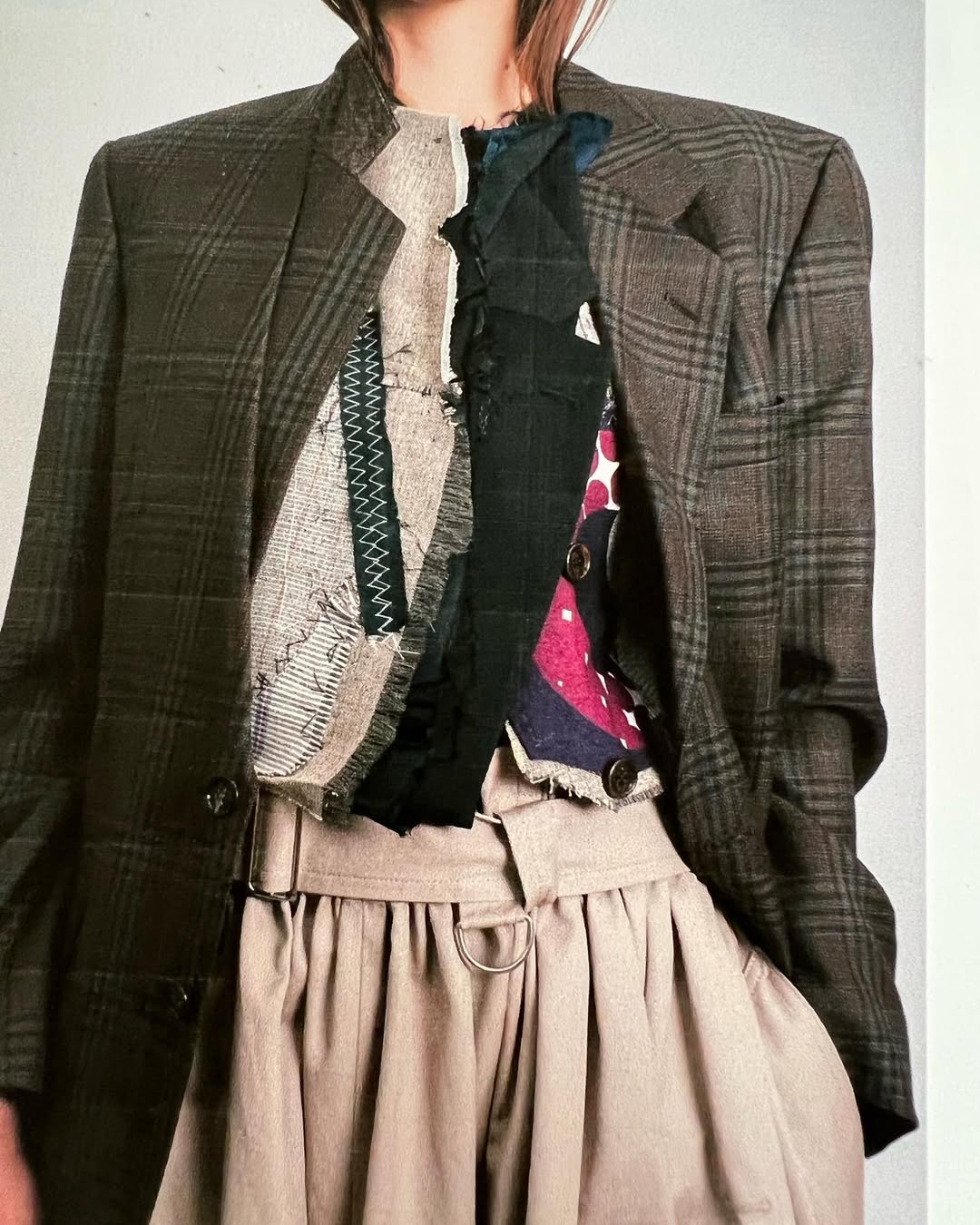
Much of Yee’s work developed through reconstruction, reuse and alteration rather than custom production. Existing garments gave her a starting point: something already constructed that could be taken apart, reconsidered and made into something else.
Fig. 02 — Film
 Play
the film
from 13:09
Play
the film
from 13:09
Yee worked with garments that already had a form, a function and, often, visible signs of previous use.
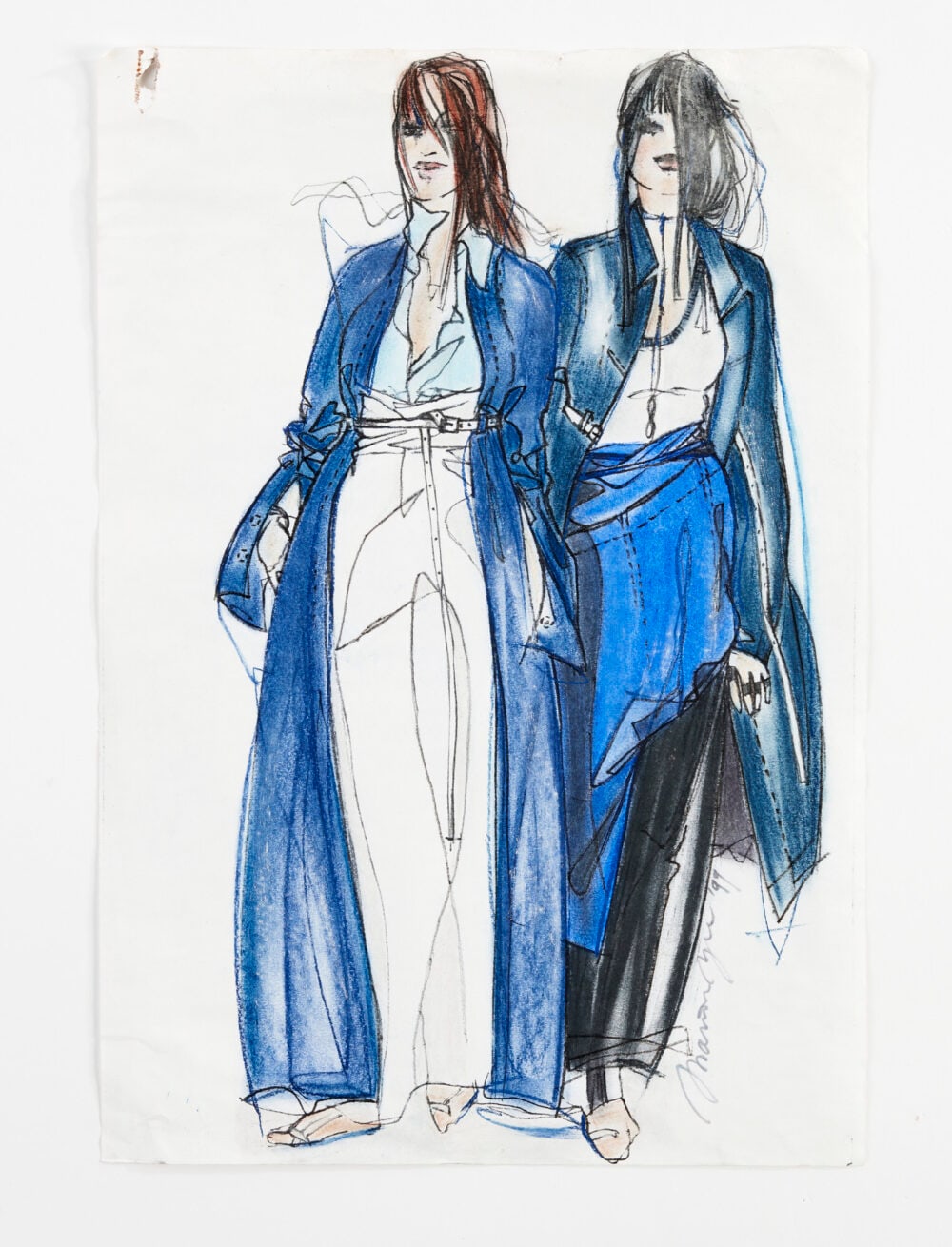
Choose a look to see it closer.
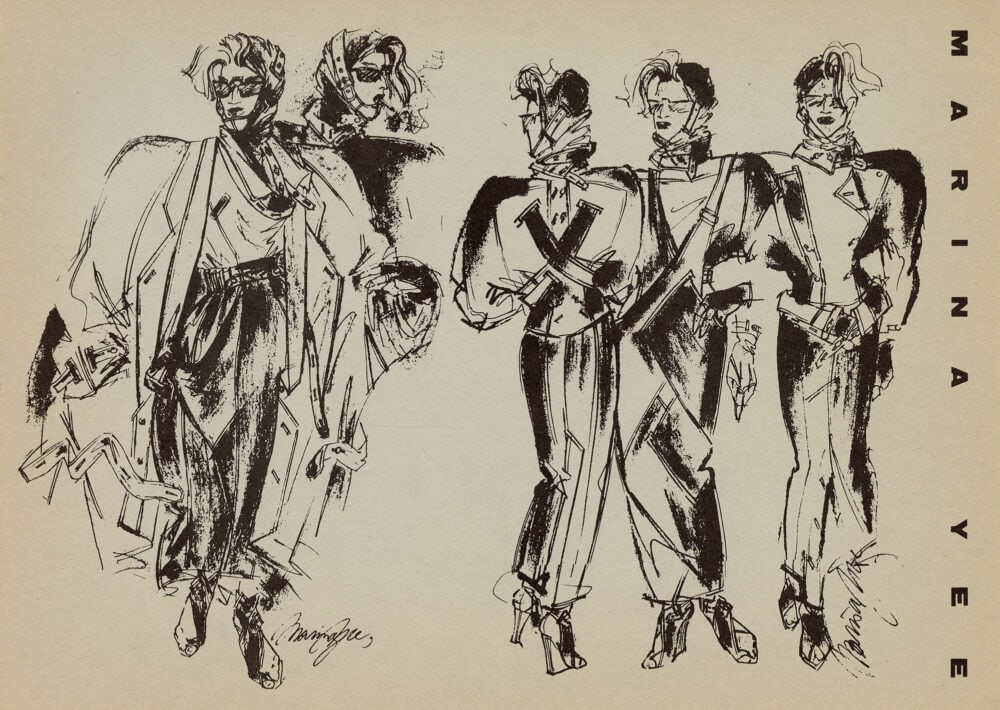
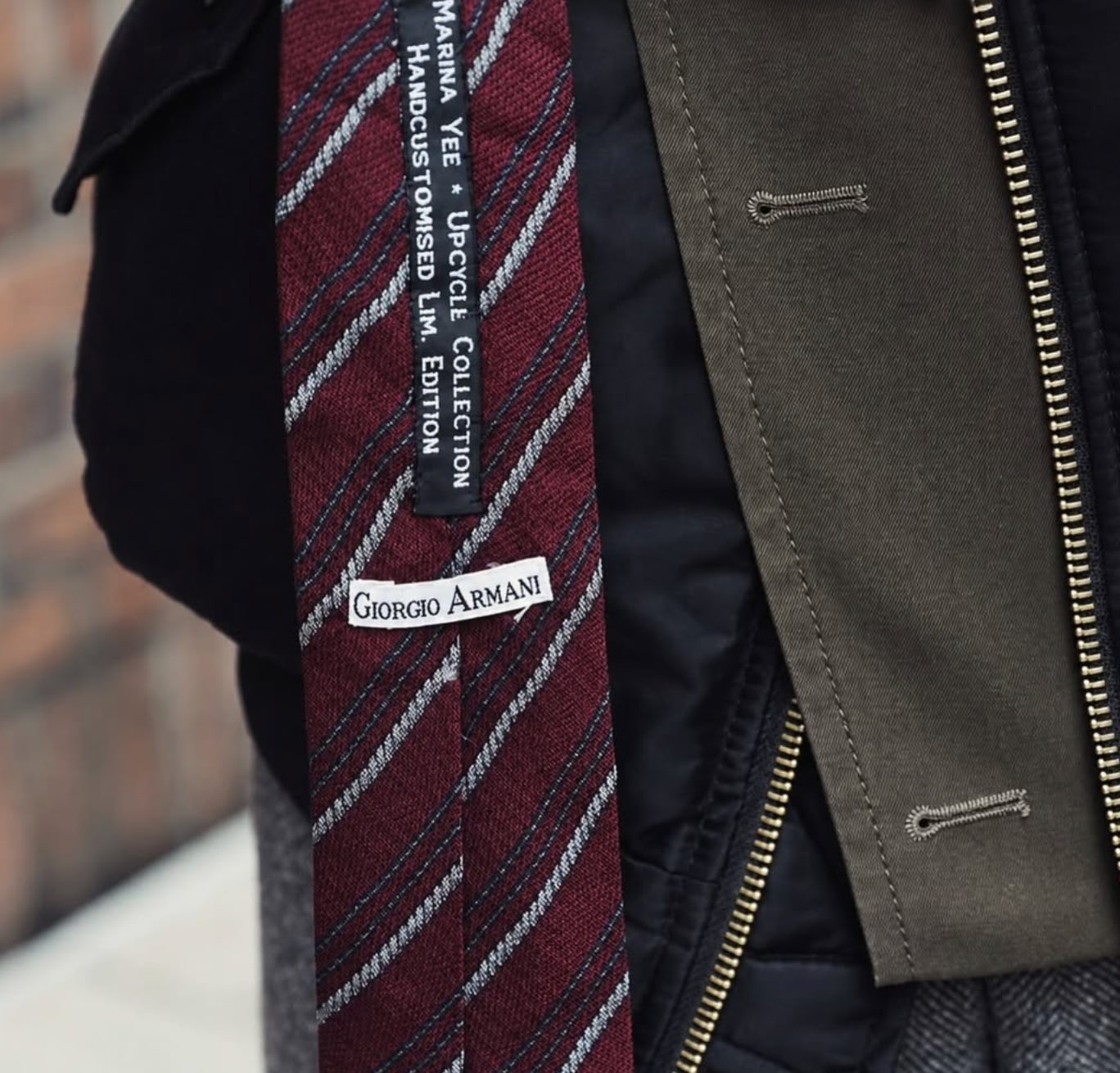
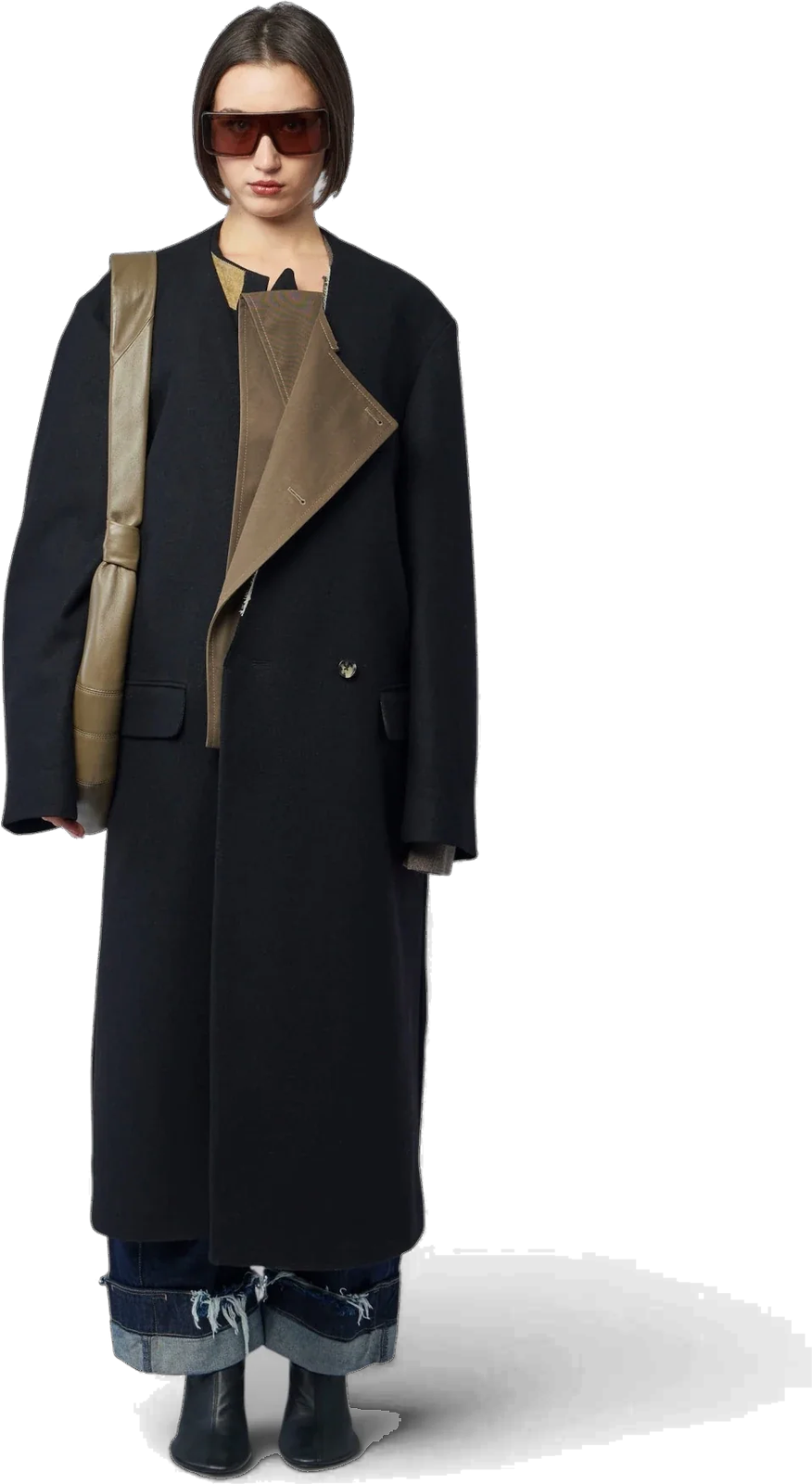
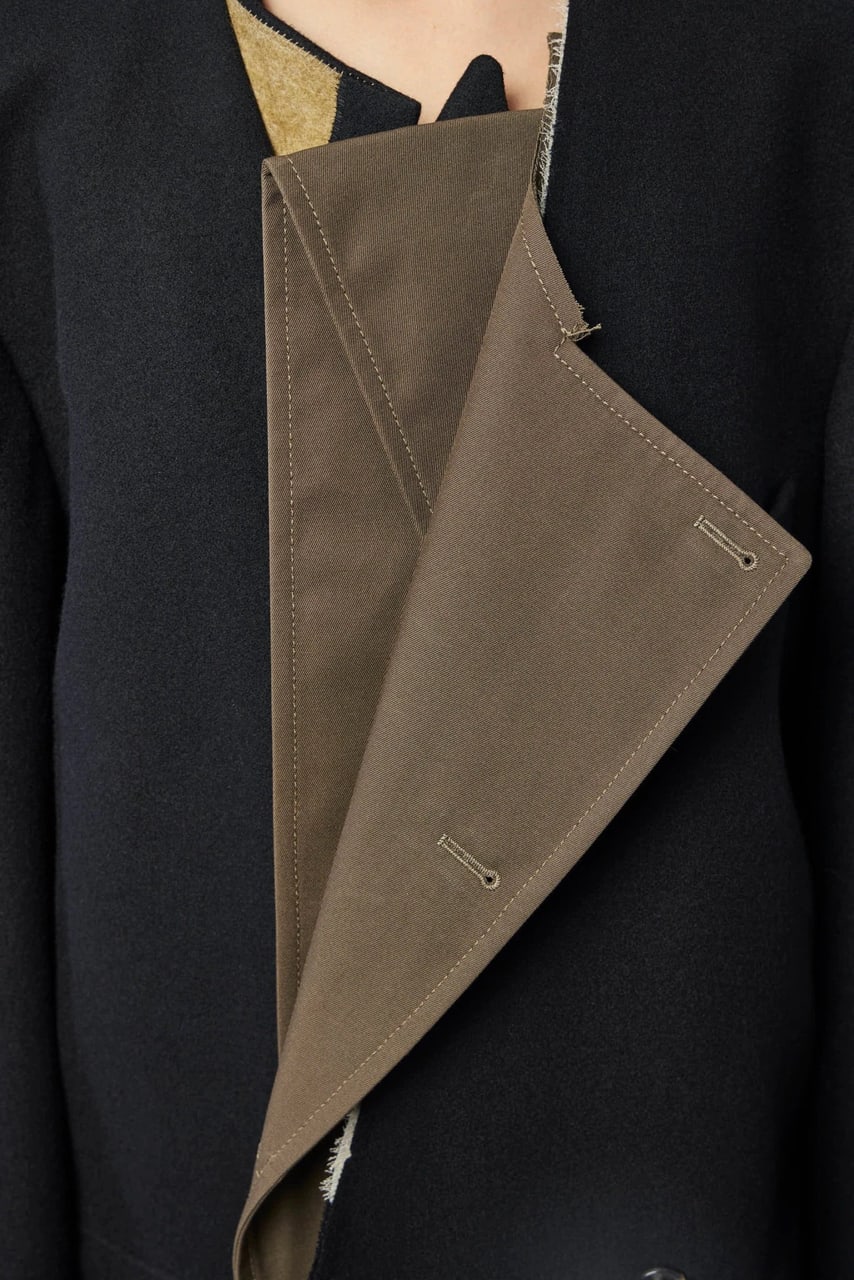
Tailored menswear came with an established structure: lapels, collars, pockets, linings and carefully constructed shoulders. Reconstruction meant working within — or against — decisions that had already been made.
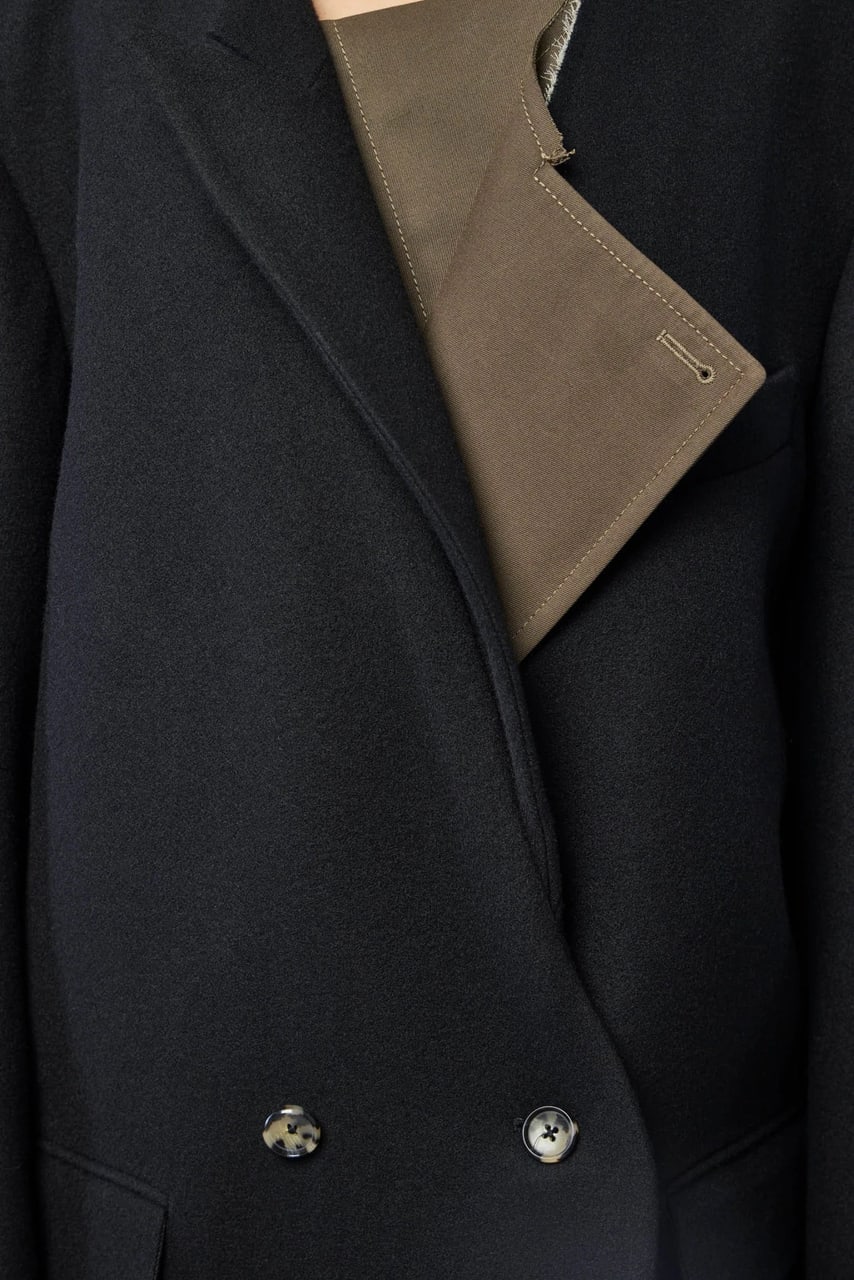
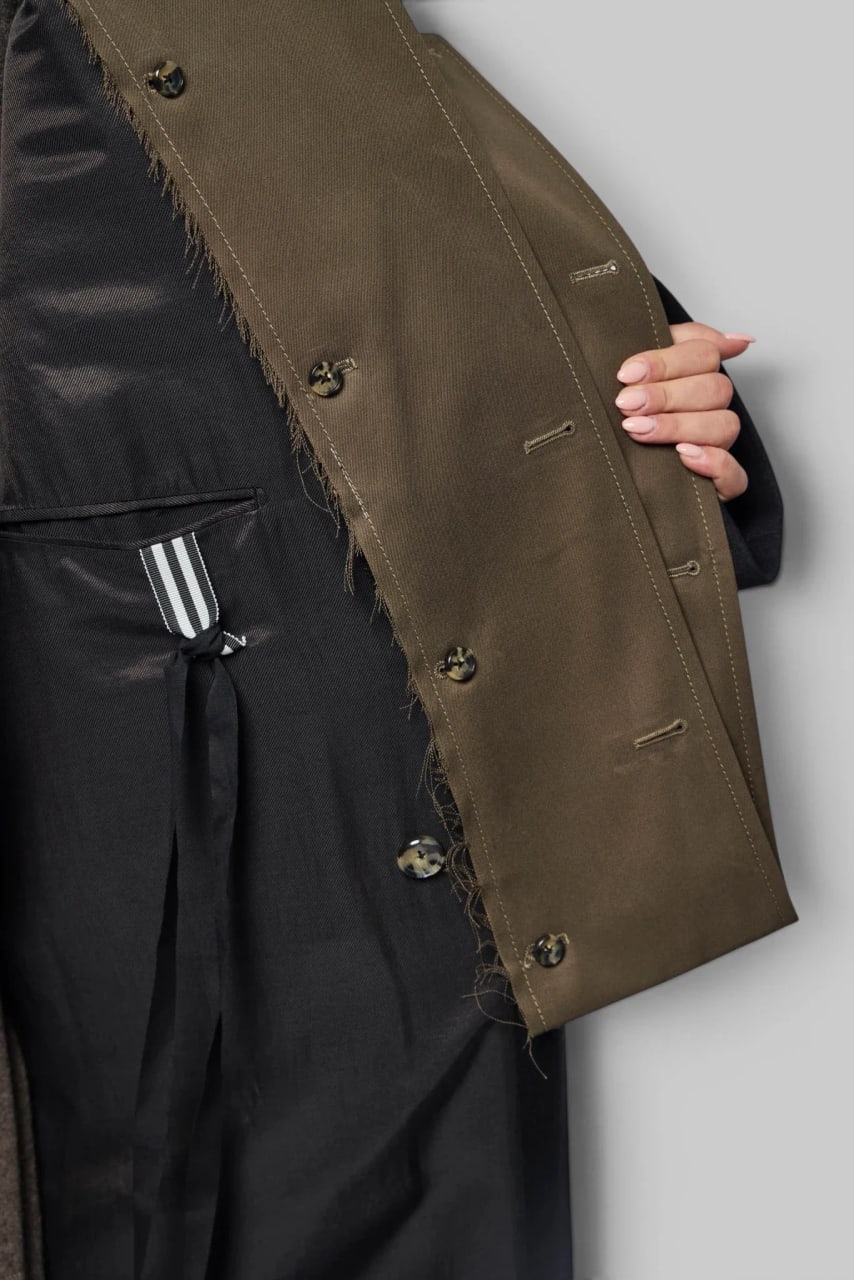
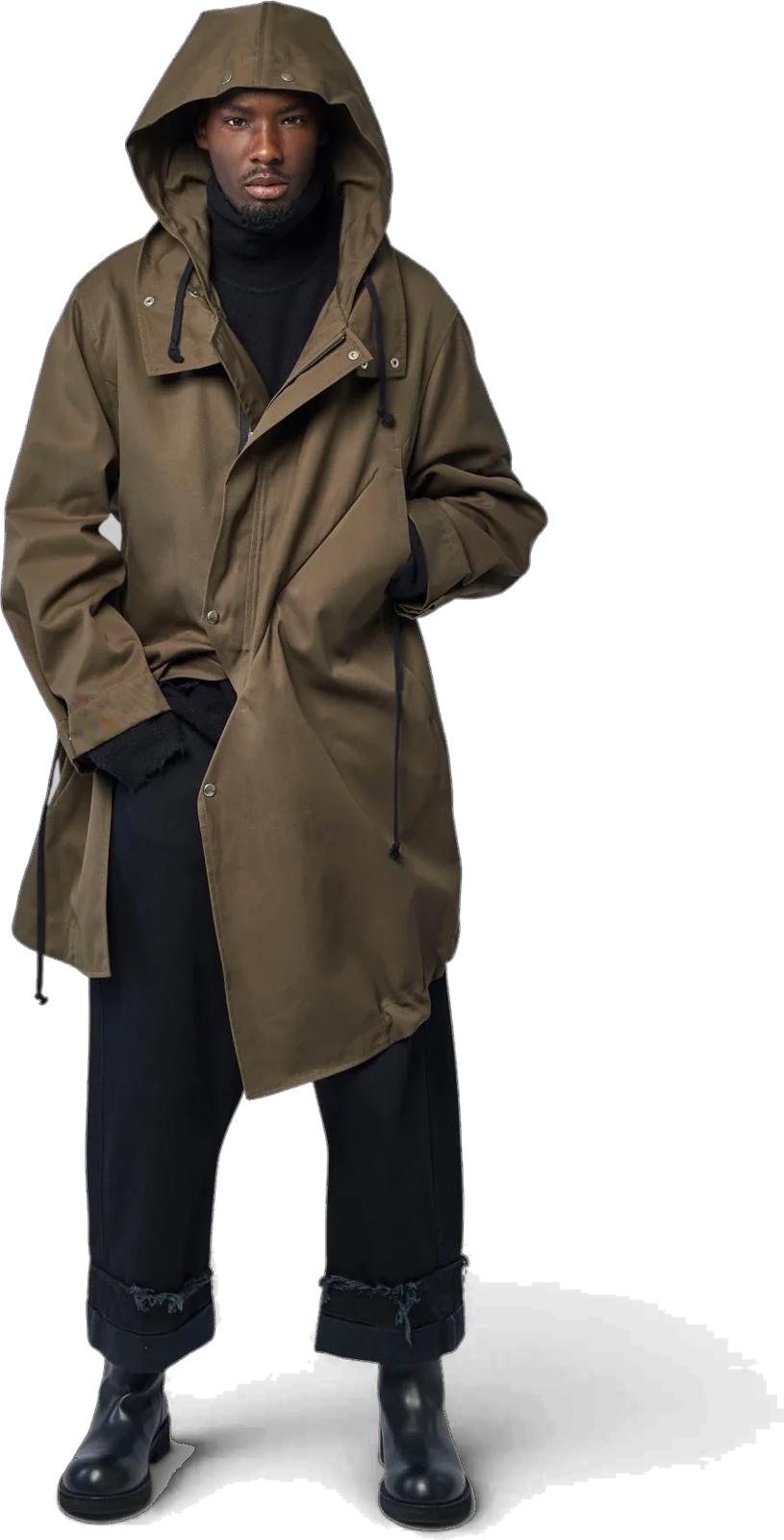
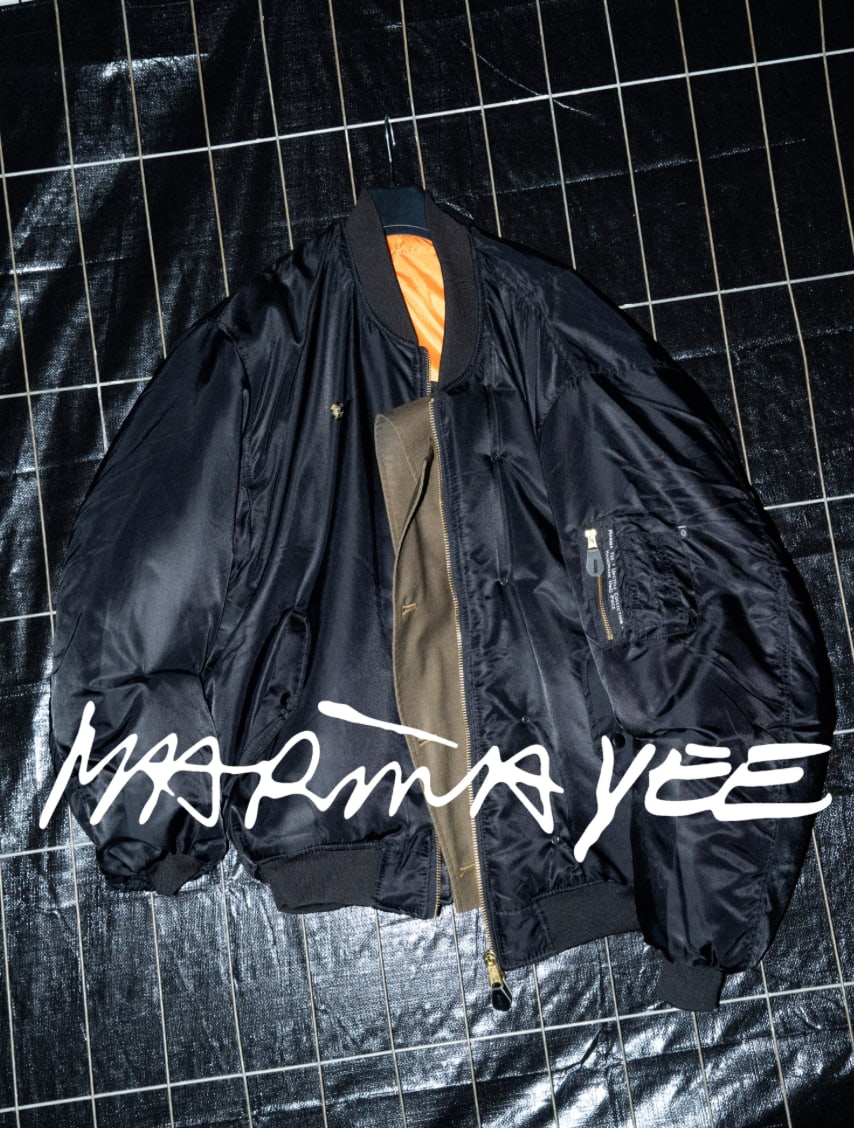
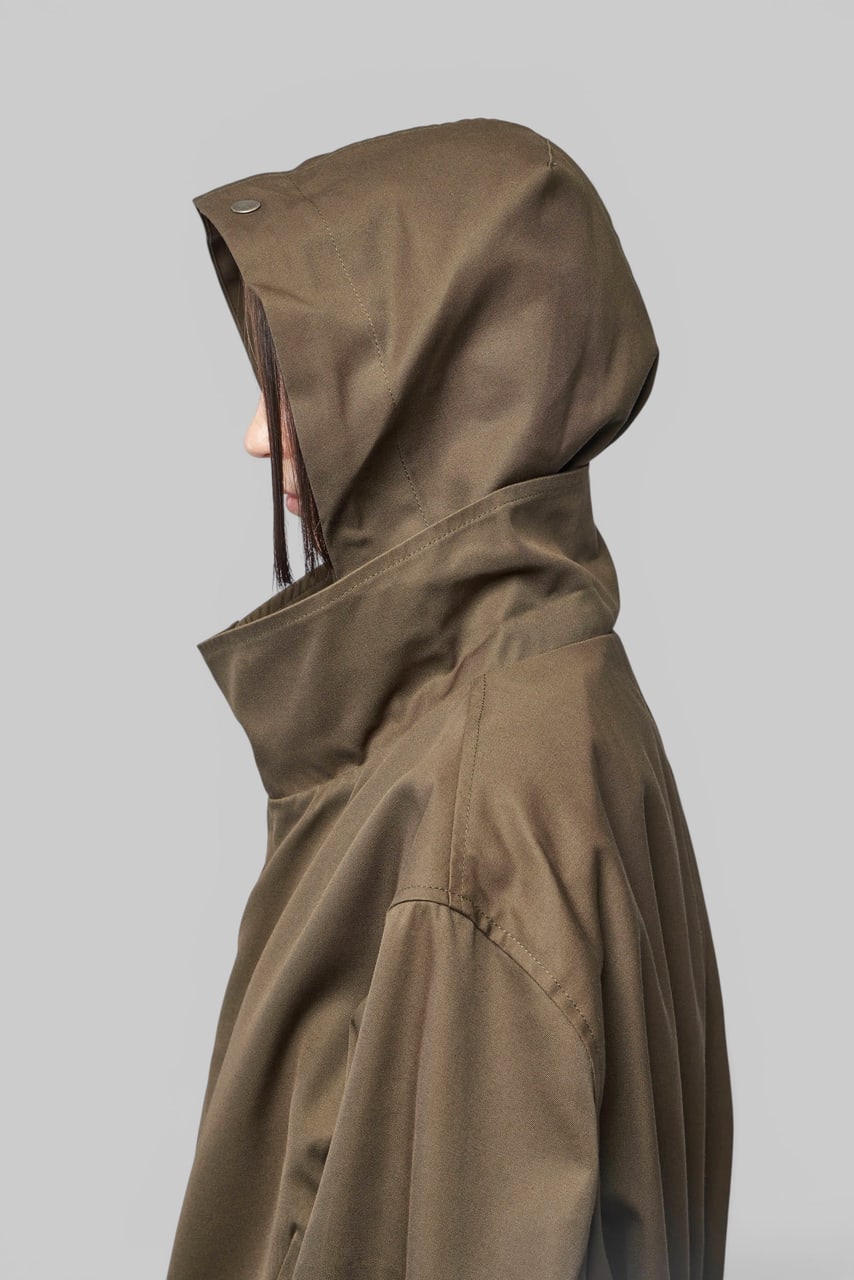
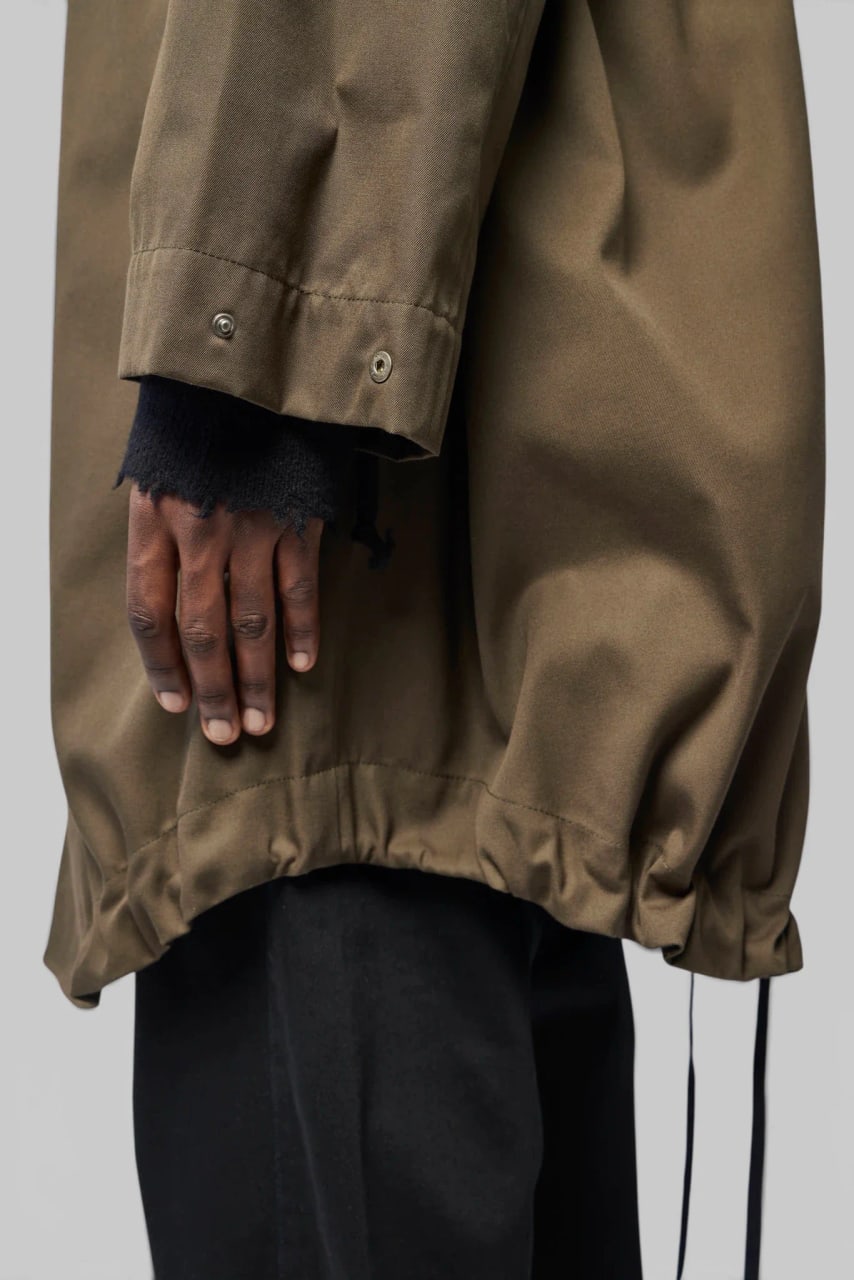
Military clothing was designed around function. Pockets had a purpose, seams were reinforced where necessary, and construction followed the demands of use. Those functional details remained part of the garment even when its original purpose changed.
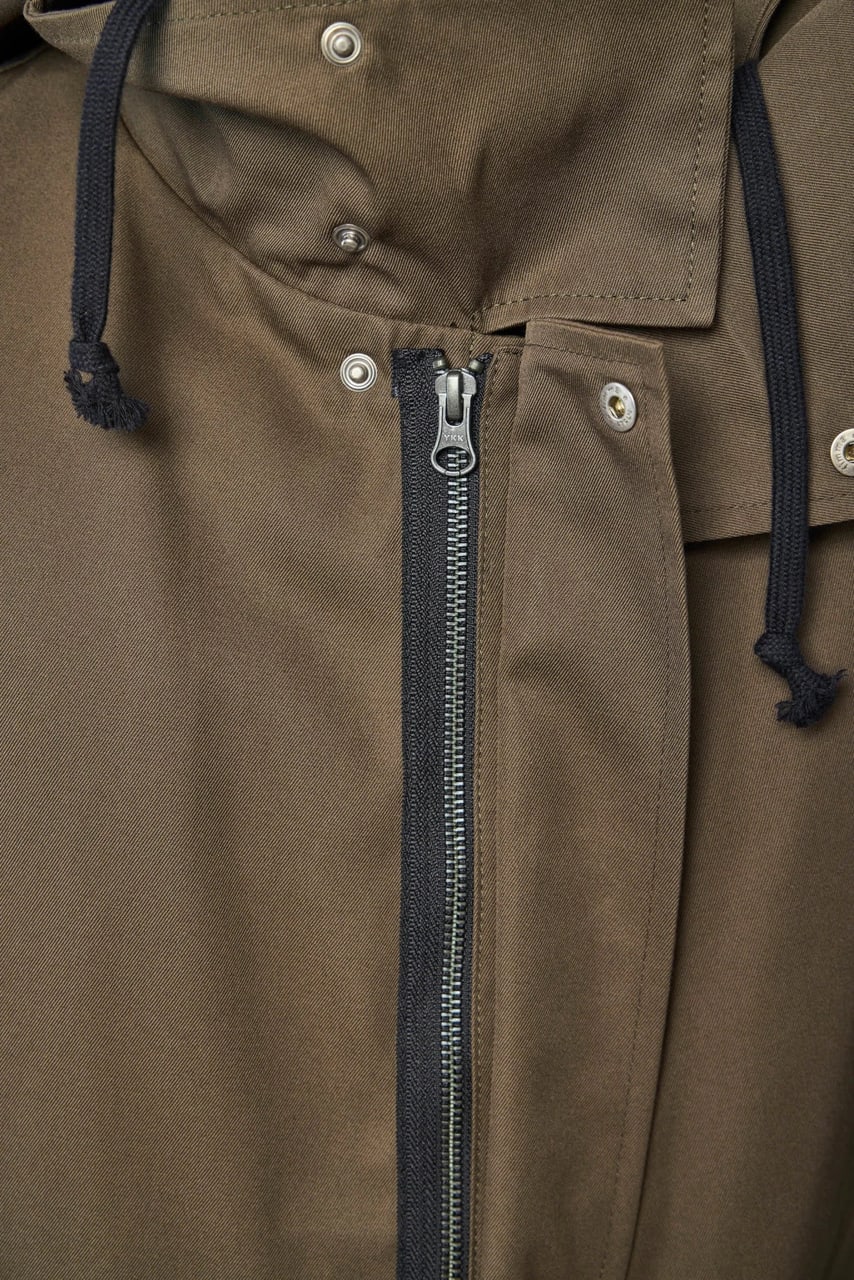
Workwear could carry its history on its surface. Fading, reinforced seams, topstitching, repairs and areas of wear recorded how a garment had been made and used.
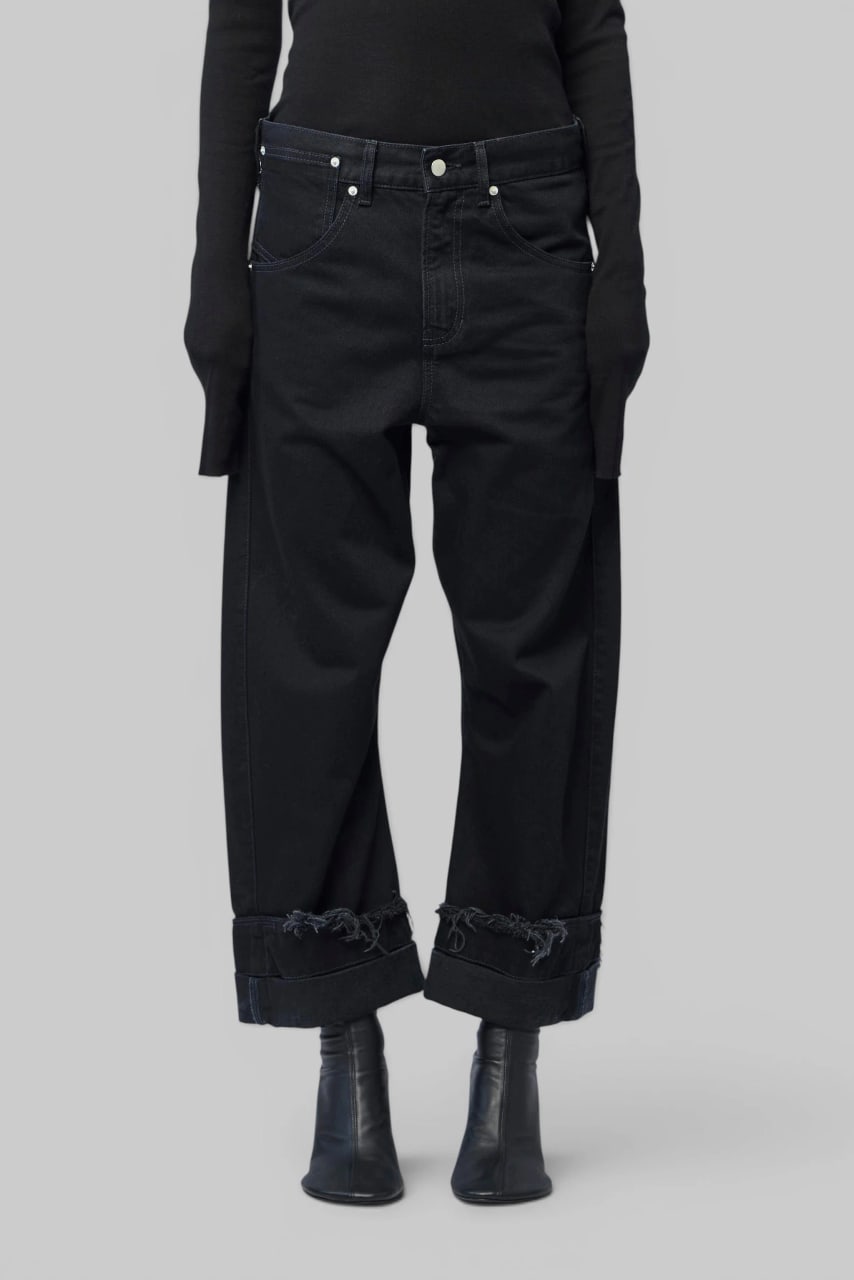
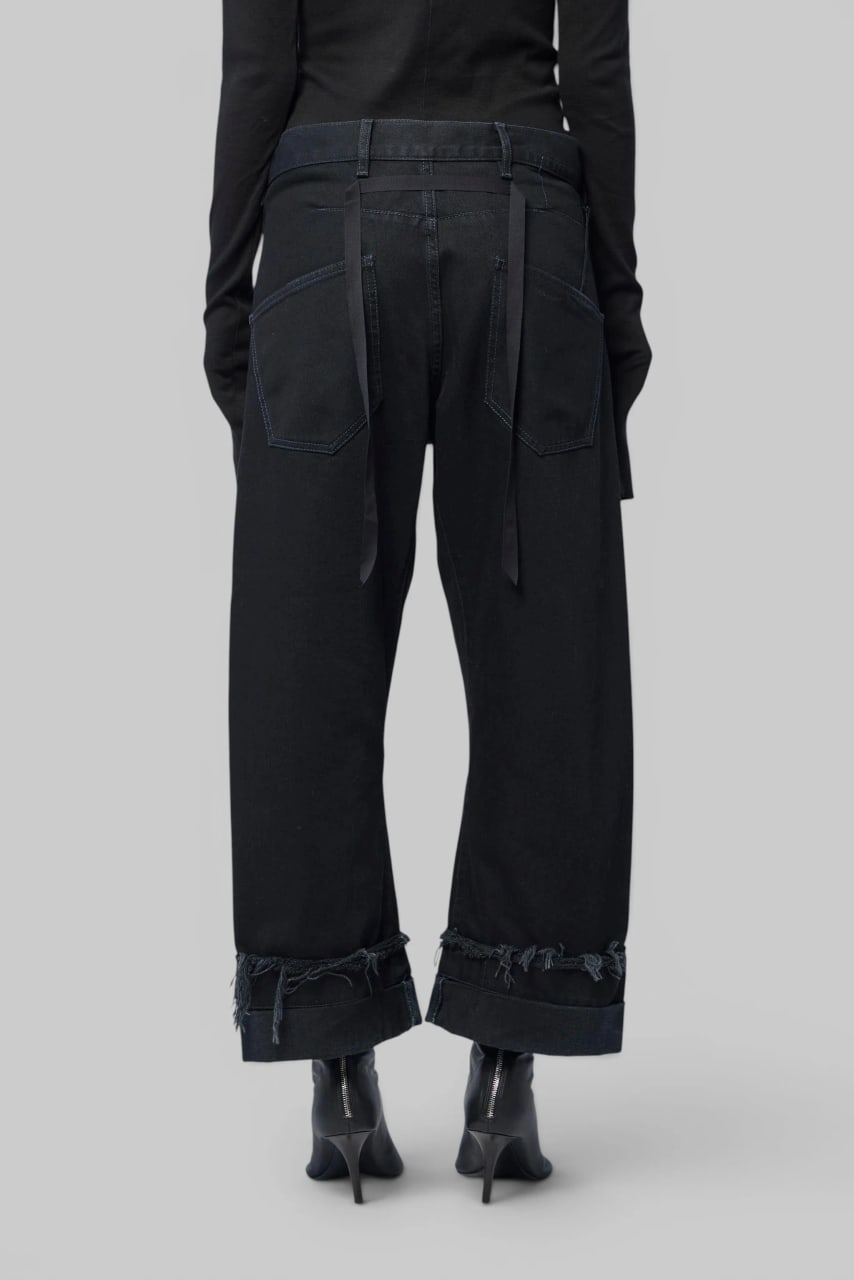
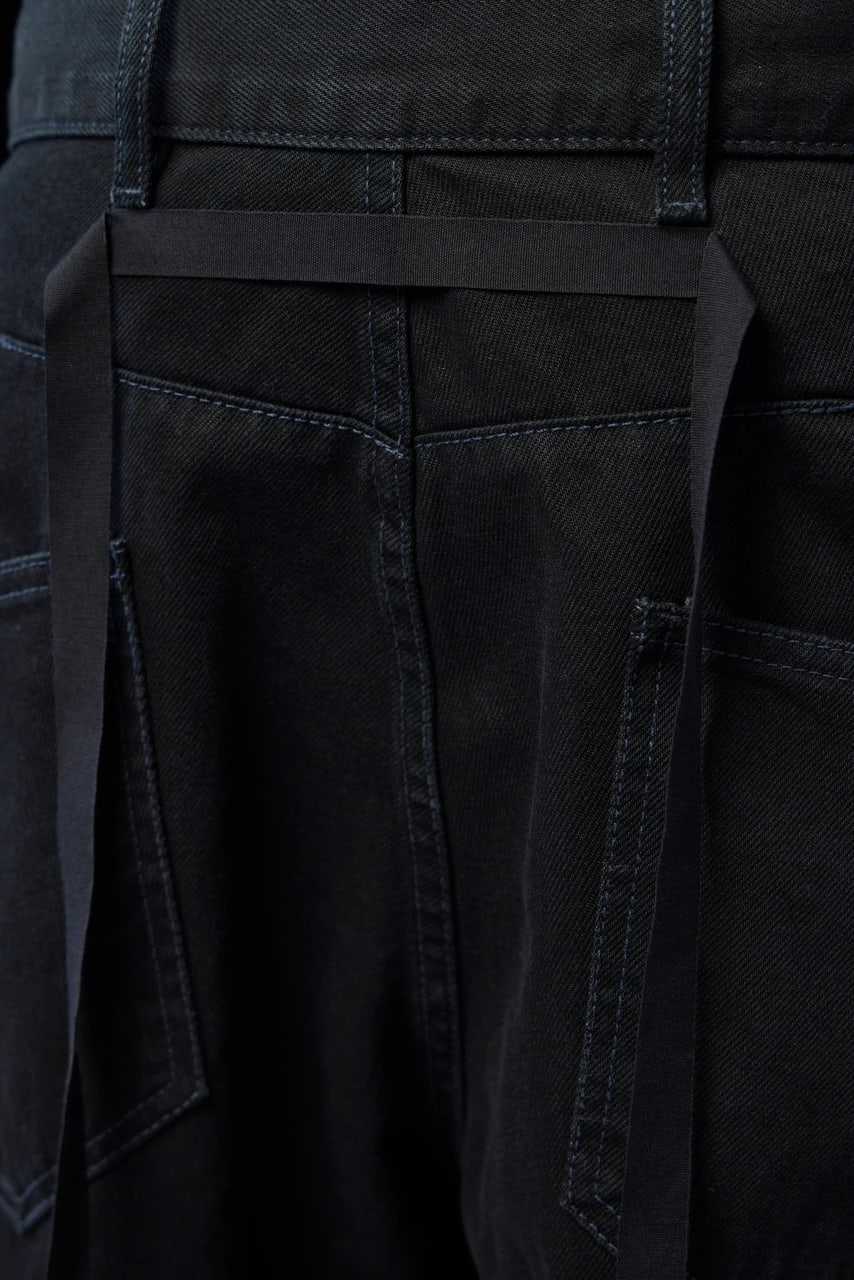
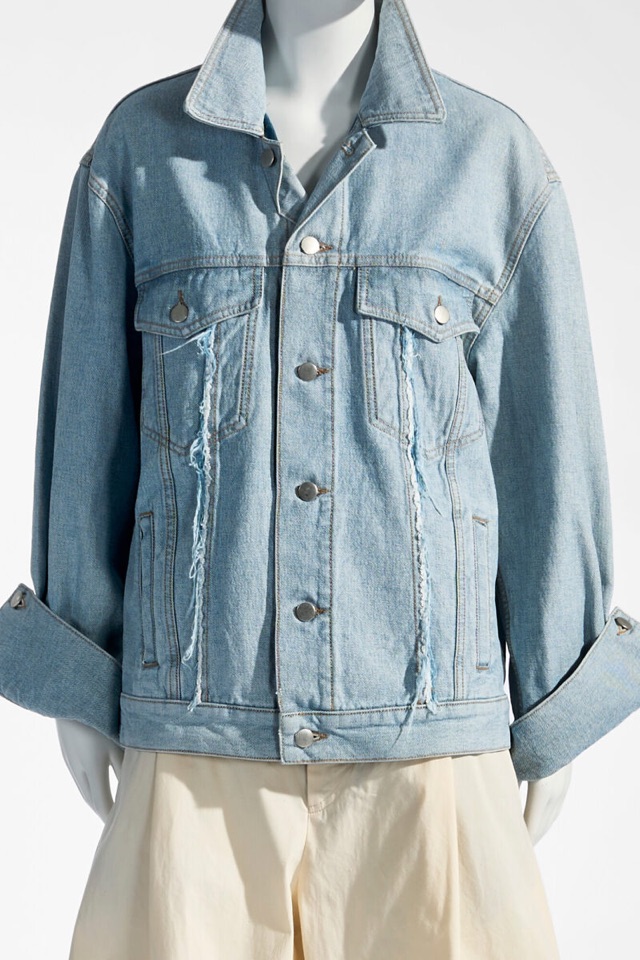
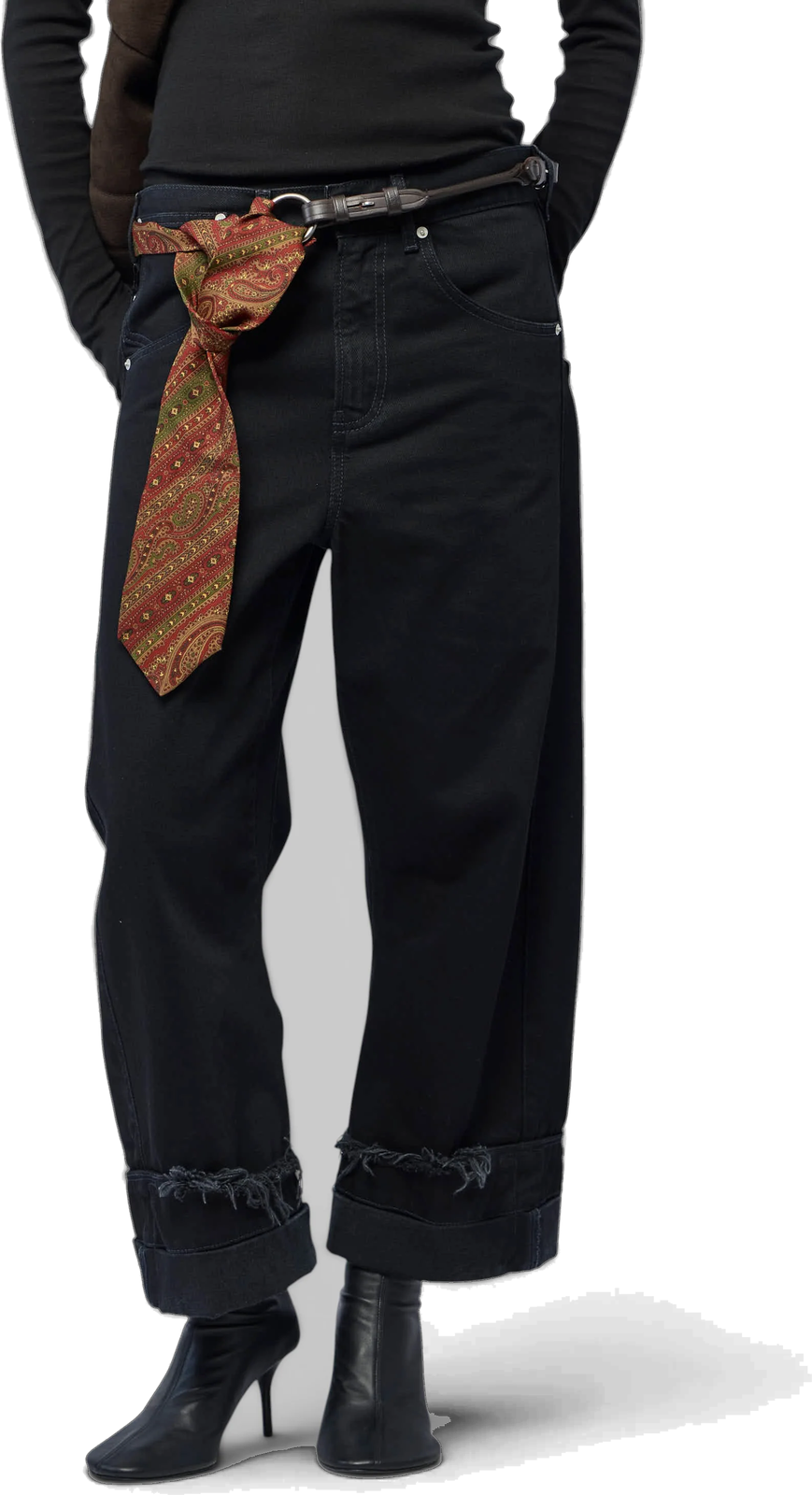
Denim makes wear particularly visible. Colour fades unevenly, creases settle into the fabric and repeated use leaves marks specific to the person who wore it.
In Marie, Yee cut old jeans into patchwork and incorporated the pieces by hand into bomber jackets. Rather than disguising the fact that the denim had been used before, its different washes and traces of wear remained visible.
She was doing this long before repair, reuse and upcycling became common language in contemporary fashion.
Working this way meant accepting limits. The fabric had already been chosen, the pieces had already been cut once, and the material could arrive faded, repaired or worn. Unlike working from a new length of fabric, Yee could not determine every condition from the start.
Instead of treating those restrictions as problems, she let them shape the result. Her process became a matter of deciding what the garment already offered, what deserved to remain and where an intervention was actually necessary.
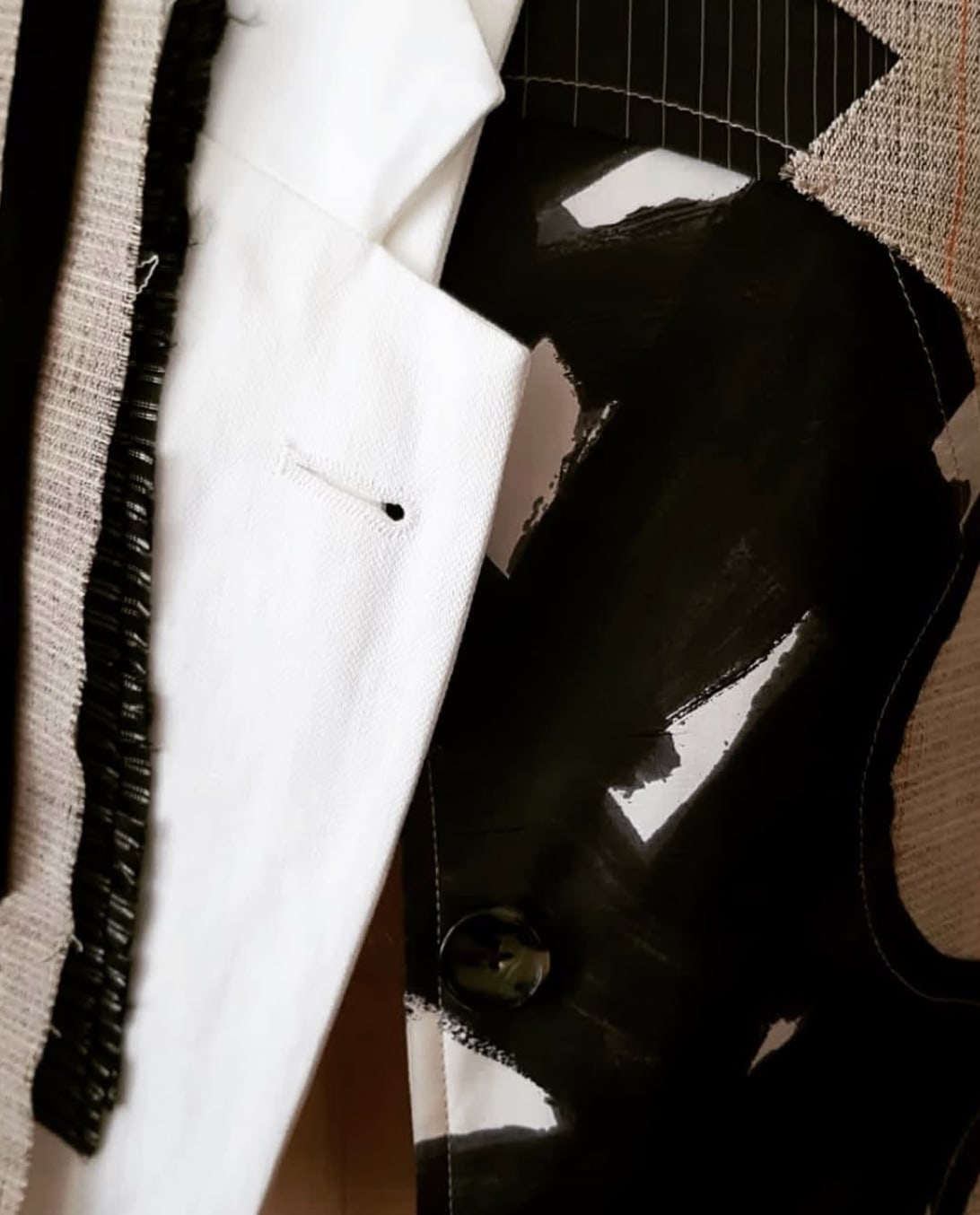
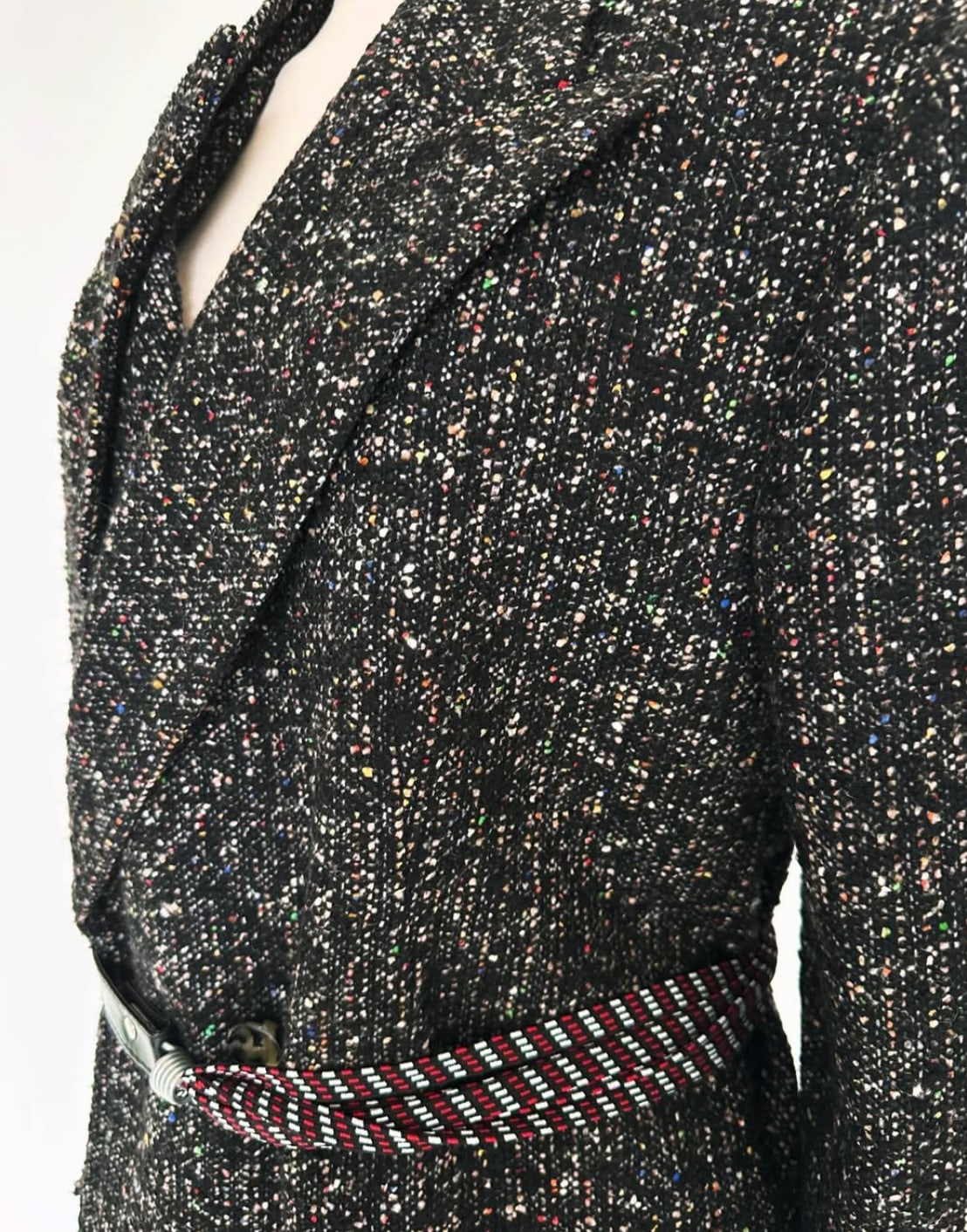
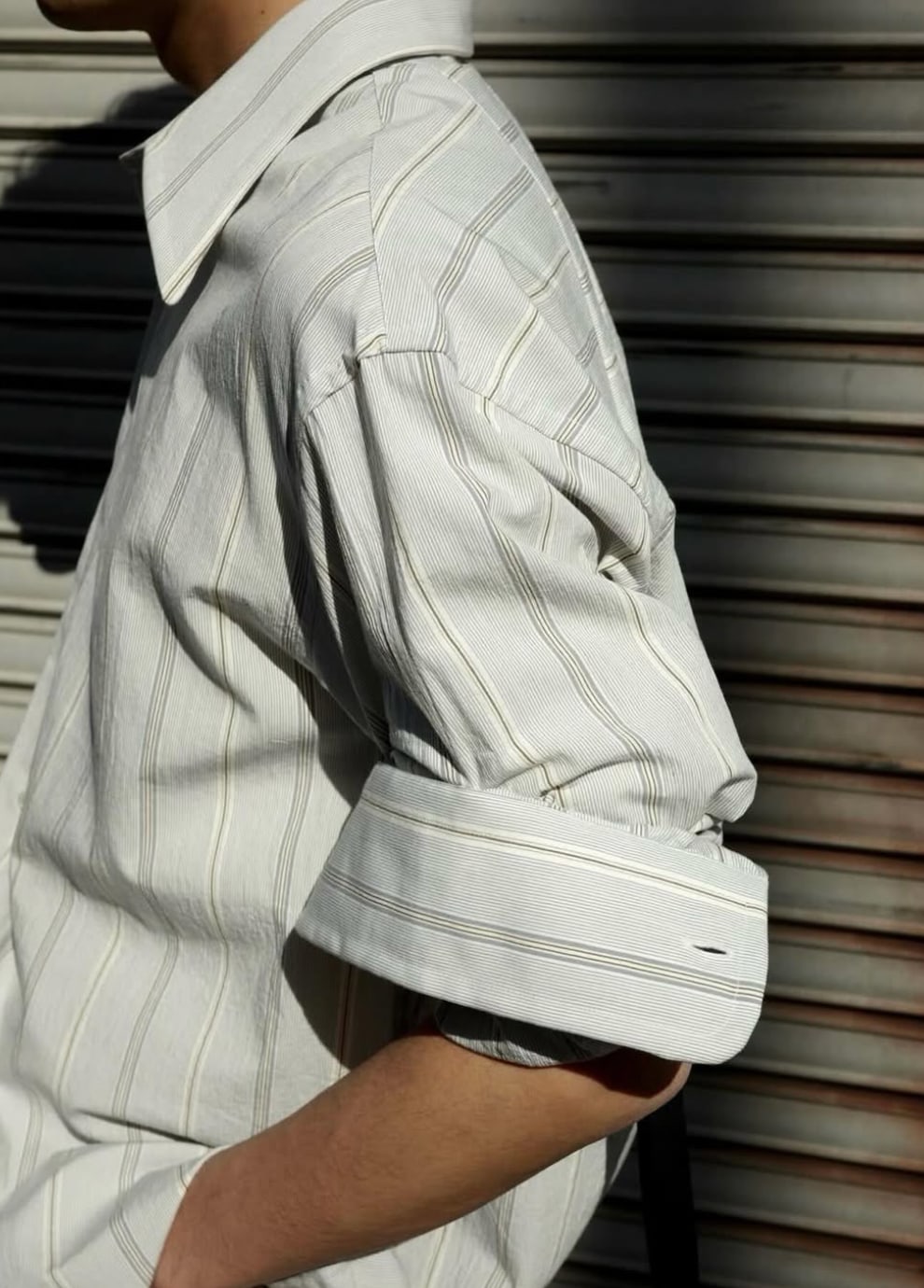
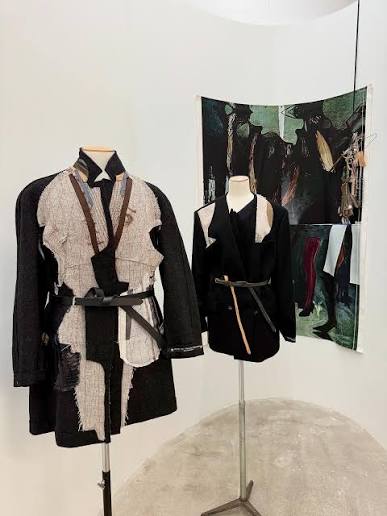
In 2018, Yee presented M.Y. Project, a small collection of coats and shirts developed from familiar menswear forms.
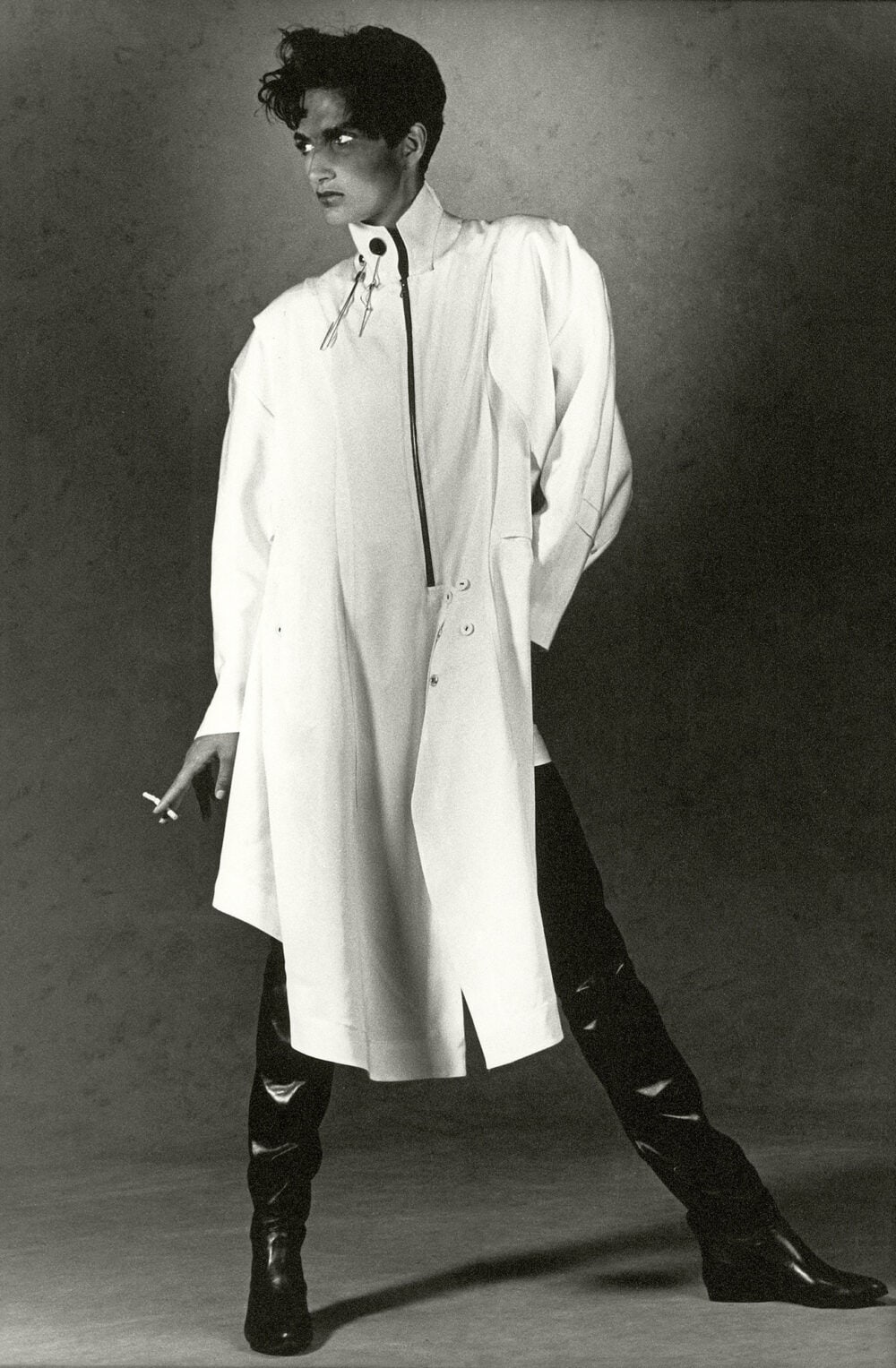
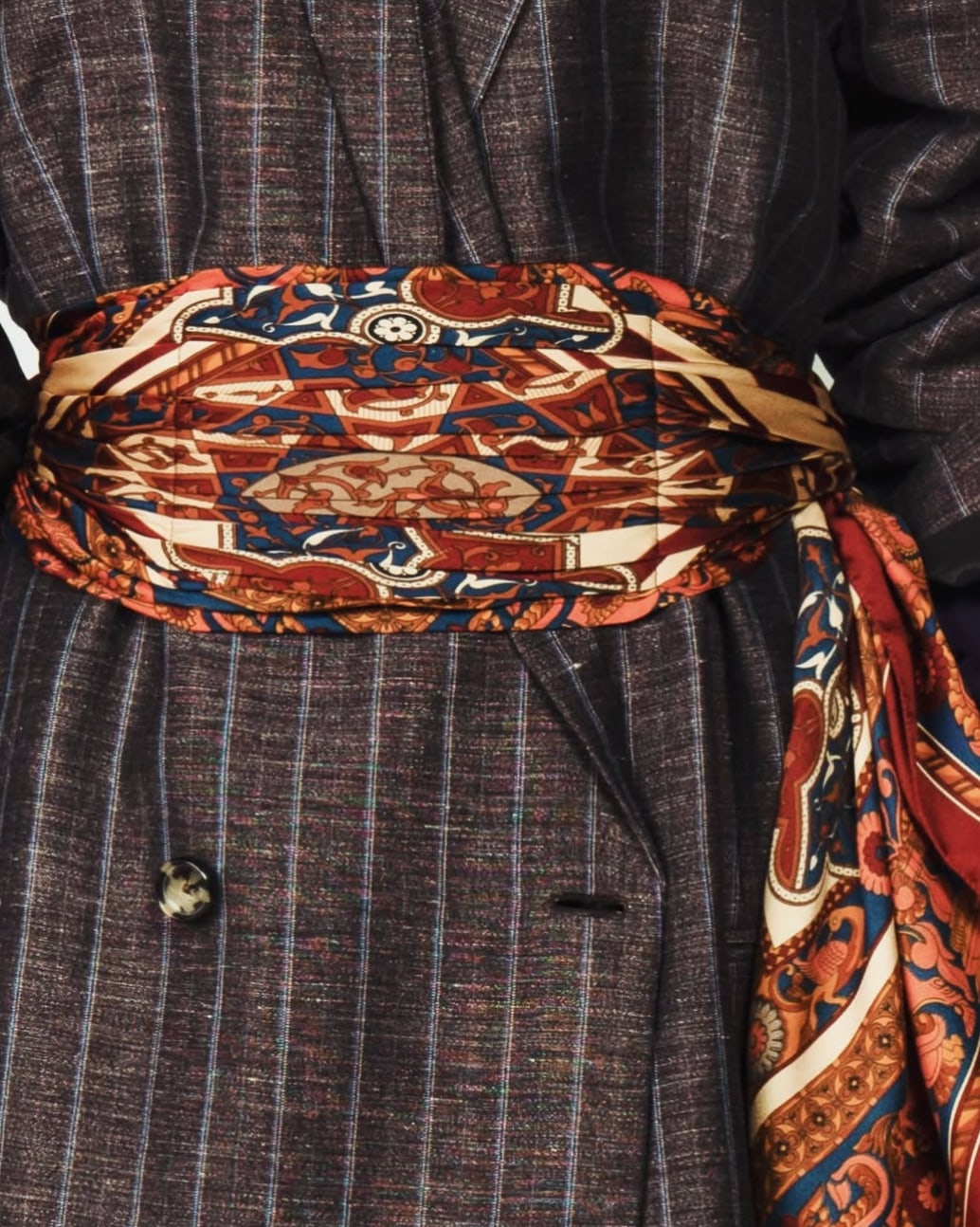
Rather than designing from a blank page, she returned to garments such as trench coats, sailor coats and military parkas, altering them through asymmetry, hand stitching and changes to their construction.
The original garment remained recognisable. What changed was the way it was read.
M.Y. Project showed that, decades later, Yee was still working through the same principle: begin with what already exists, keep what matters, and change only what needs to change.
Seen from the present, it is natural to describe Yee’s practice through sustainability. Reuse was clearly part of the story, but it did not account for everything her work was doing.
It also complicated the relationship between originality and newness.
Fashion often treats the creation of something new as the basis of originality. Yee’s reconstructed garments suggested that the two did not have to mean the same thing. She could retain enough of an existing piece for its earlier form to remain legible while still producing a different result.
That recognition was important because it allowed the change itself to be understood. The viewer could register what was already there alongside what Yee chose to do with it. Her originality, therefore, did not depend on removing all evidence of the starting point. It could come from examining something familiar closely enough to identify where a change would matter.
The question became not how much could be changed, but how much needed to be changed.
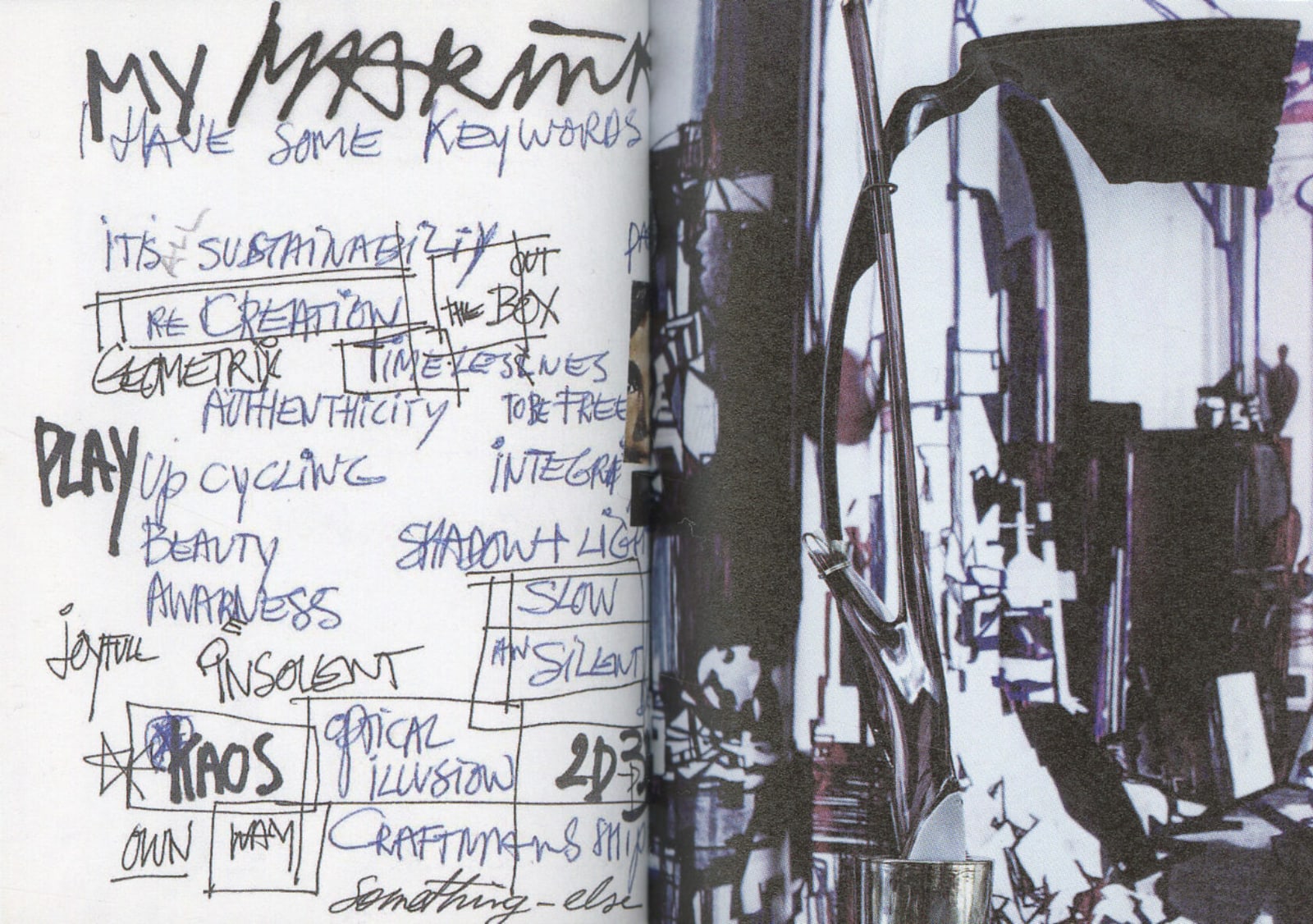
Yee used the Flemish expression “one corner off” when speaking about her creative process: the idea of making something appear complete, then deliberately disturbing it.
The expression helped explain a recurring quality in her work. Her interventions did not have to overwhelm what was already there. A familiar garment could remain recognisable while a deliberate alteration changed the way it was read.
It also gave context to the imperfections that appeared in her work. They were not simply signs that a garment had been left unresolved or that technical control was missing. The disruption could be intentional, made possible by first understanding the construction or convention being altered.
Seen alongside her reconstructed garments, the expression became particularly useful. Yee could preserve much of an existing piece while changing a specific part of its construction, proportion or material.
What already existed and what she introduced remained visible at the same time.
In that sense, “one corner off” offered a way of understanding more than the physical act of reconstruction. It pointed towards a broader tendency in Yee’s practice: understanding what already existed, retaining what continued to matter, and intervening where a change could shift the whole.
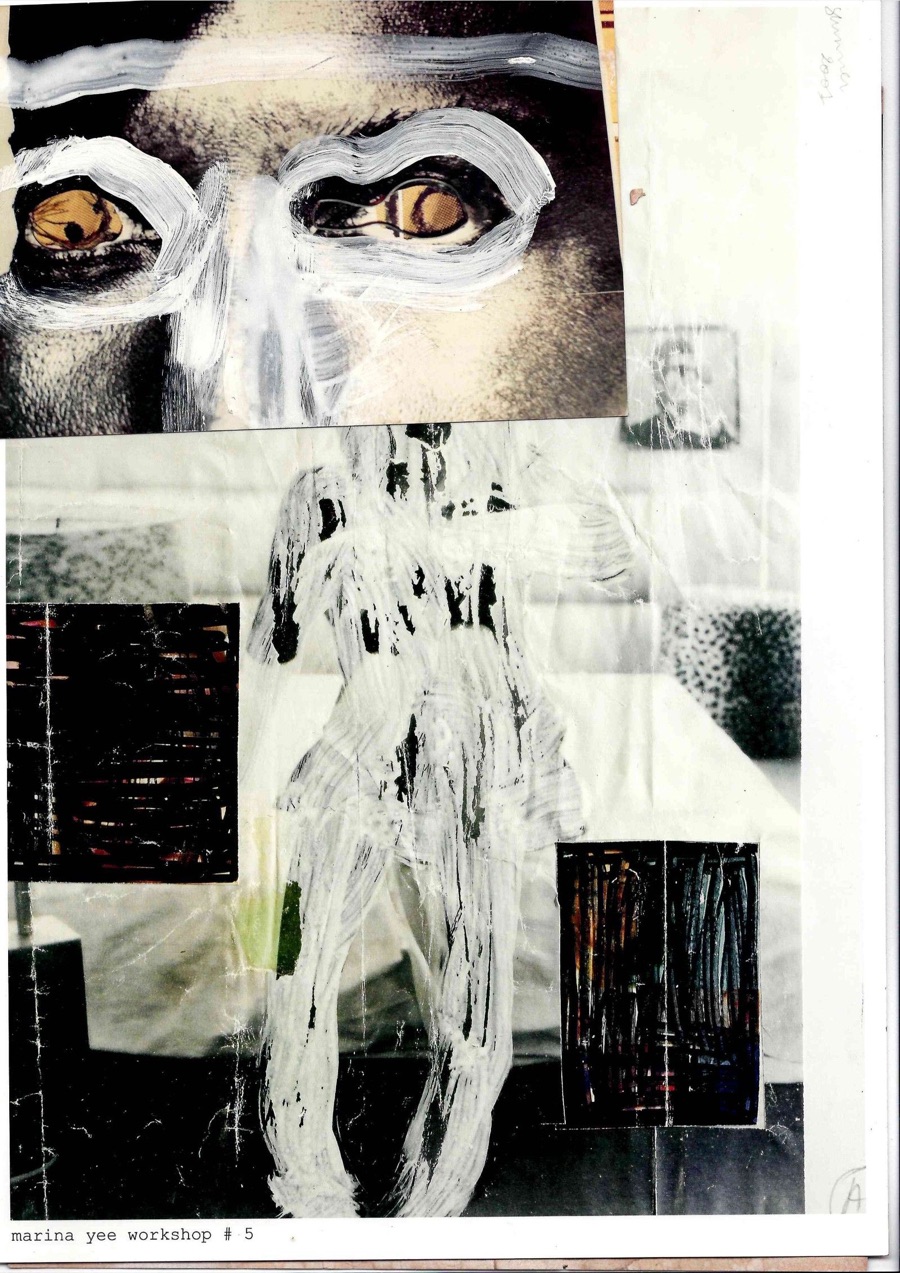
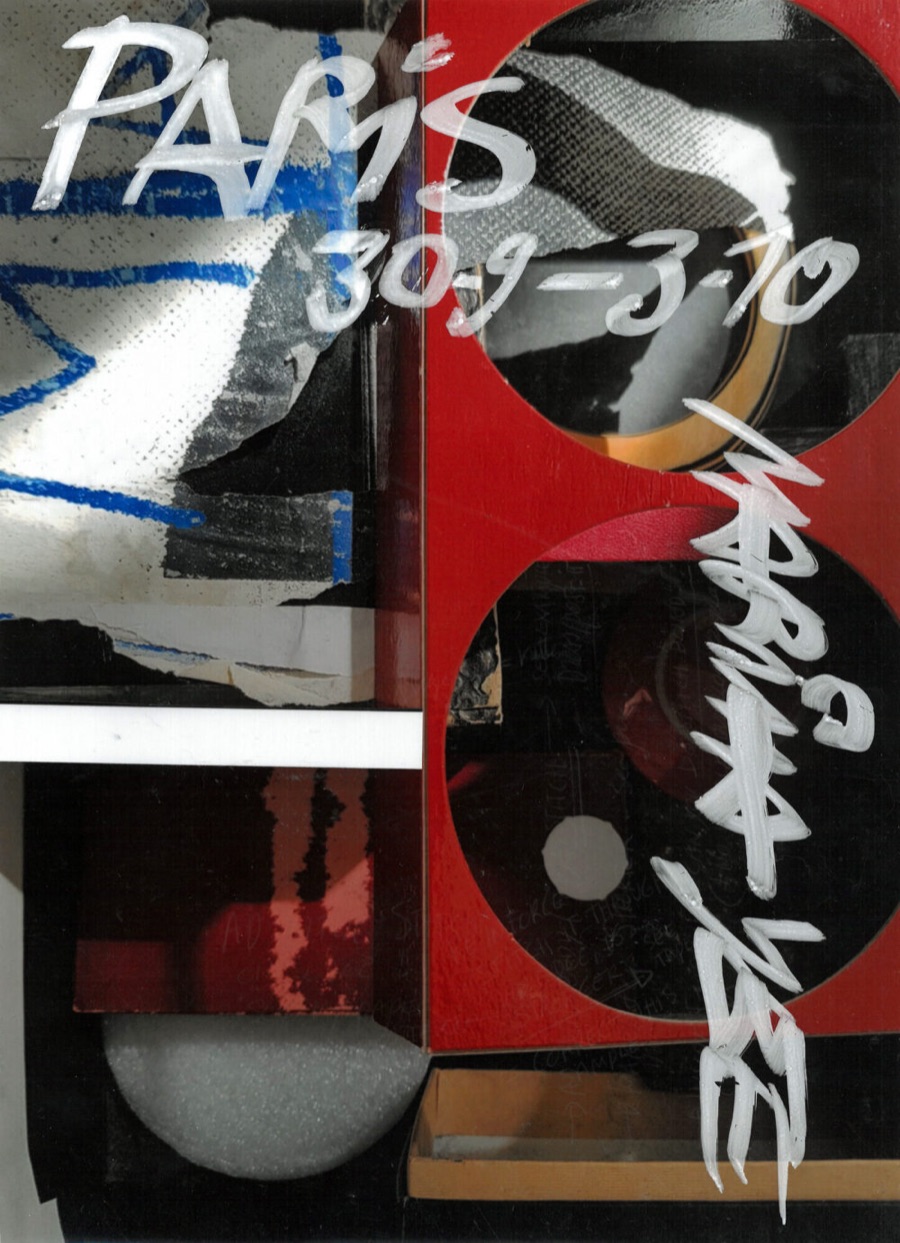
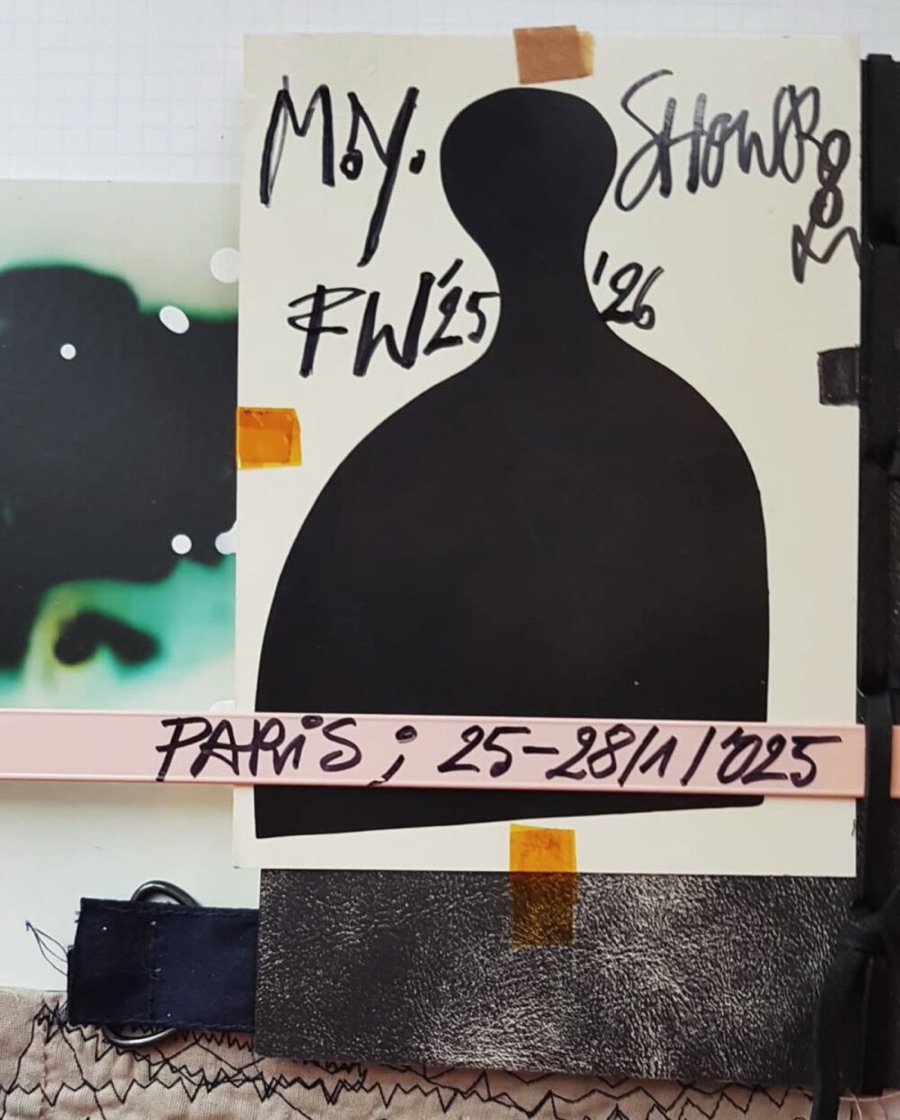
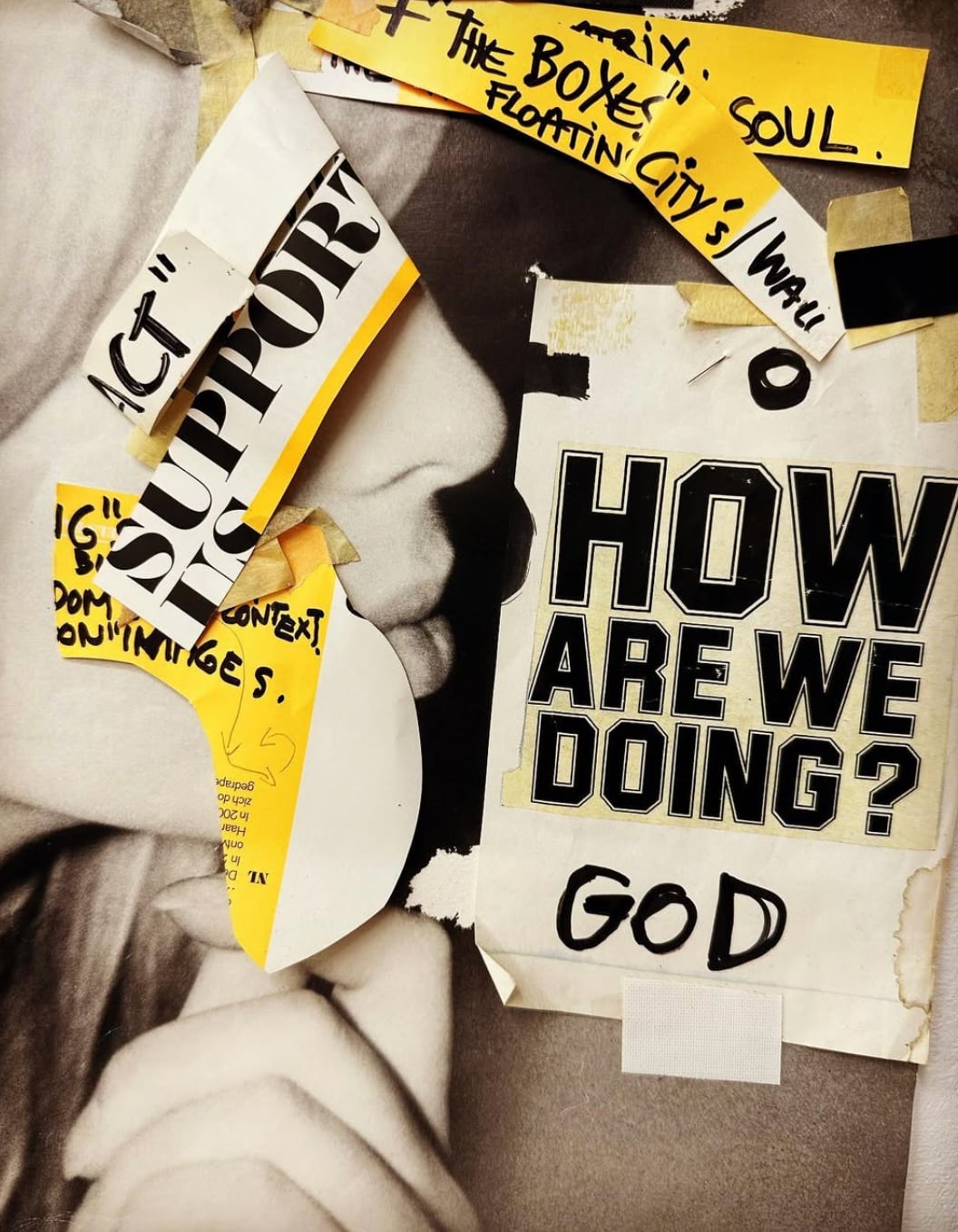
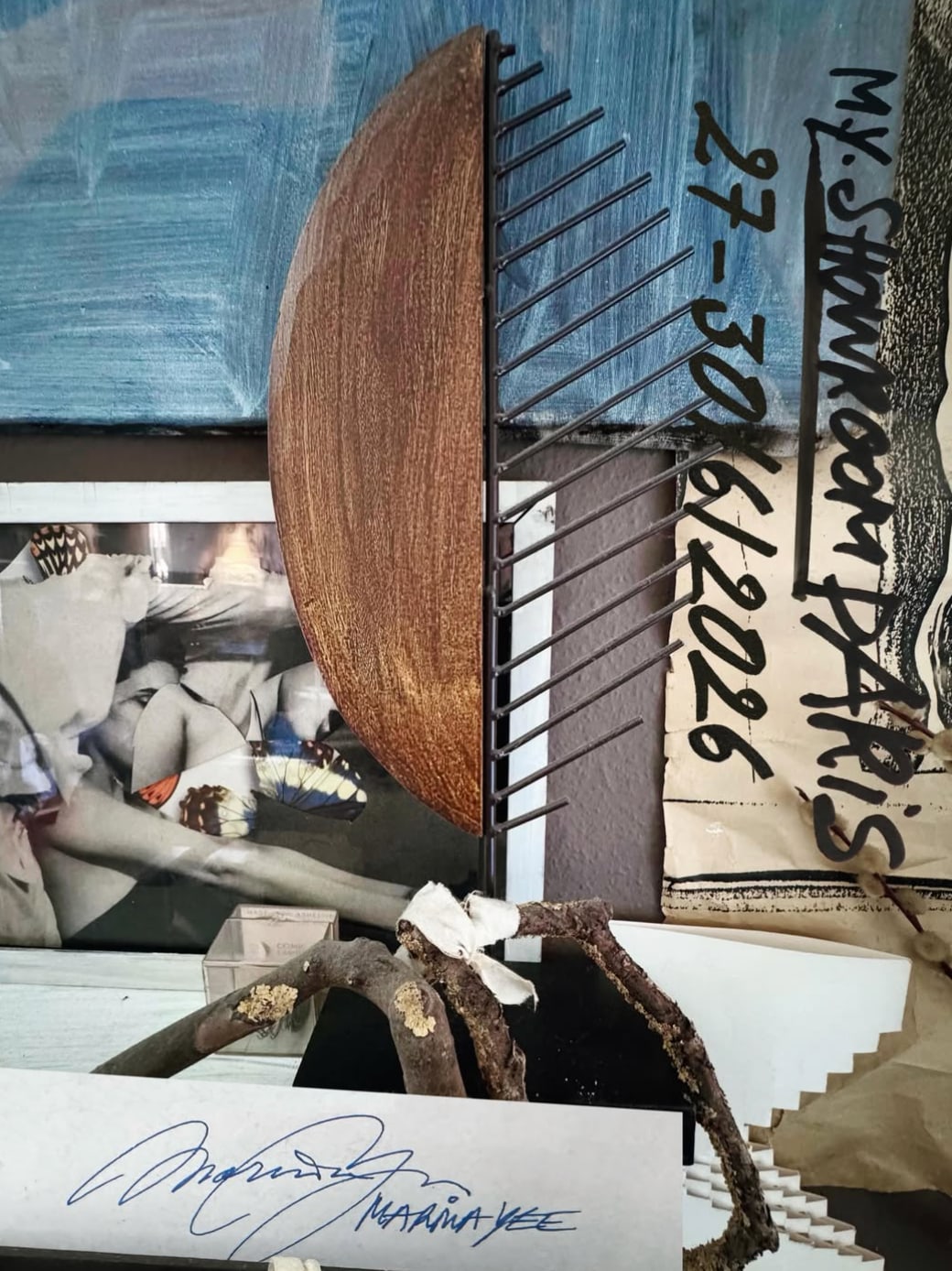
Every garment Yee started from was already finished. The work was deciding where to interfere with it — and then living with the mark.
Here is a finished page. Take one corner off, as far as you like.
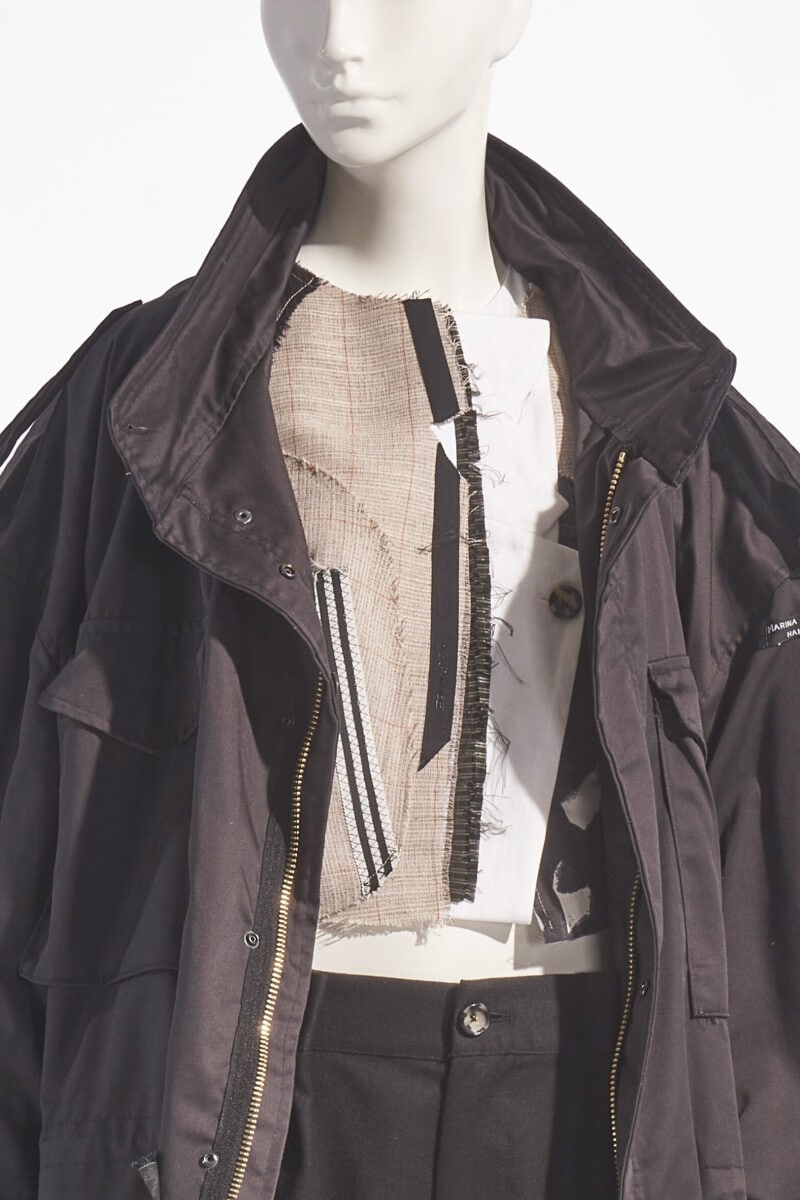
That is the whole method. Something was already there, you decided where to change it, and both are still visible.
The clearest evidence of Yee’s approach remains in the garments. Reused materials, alterations and traces of earlier construction make it possible to see how the original object and the later intervention exist together.
At MoMu, those details show how reuse, reconstruction and the idea of “one corner off” operated as parts of the same design process.